
Blocking Highways Must Mean Allowing Housing
April 23, 2025
This member commentary post does not necessarily reflect the views of Asheville For All or its members.
This member commentary post does not necessarily reflect the views of Asheville For All or its members.
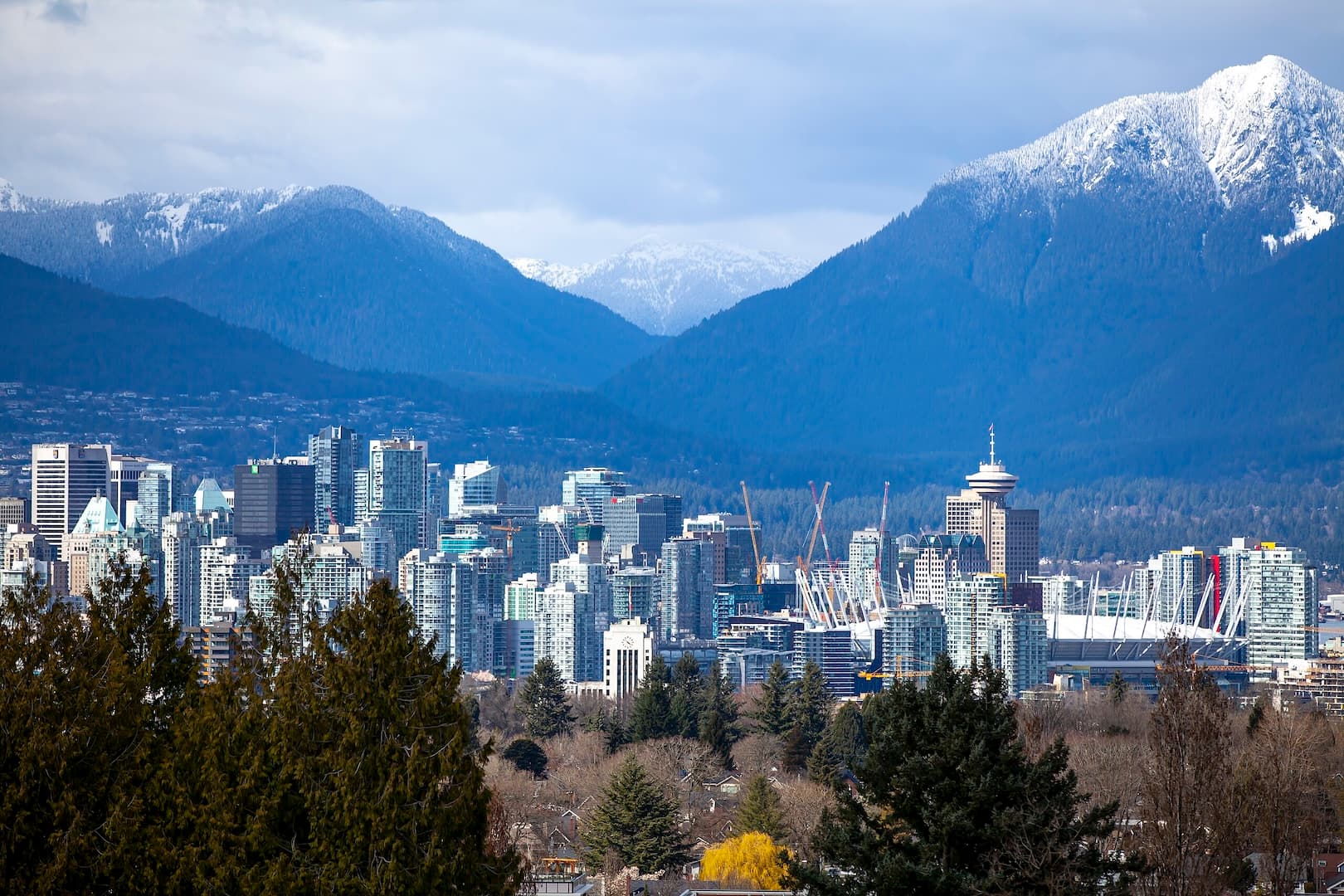
In the 1960s and 1970s, the city of Vancouver, British Columbia said “no” to highways. It was one of what would become a number of “highway revolts” across North America: organized protests that actually succeeded in blocking highway expansion.
If you’ve ever been to Vancouver, it’s a beautiful city. I have some family that lives there. One of the things that’s remarkable about it is just how connected all of the neighborhoods feel. There are literally no highways running through the city. It’s a pedestrian’s paradise.
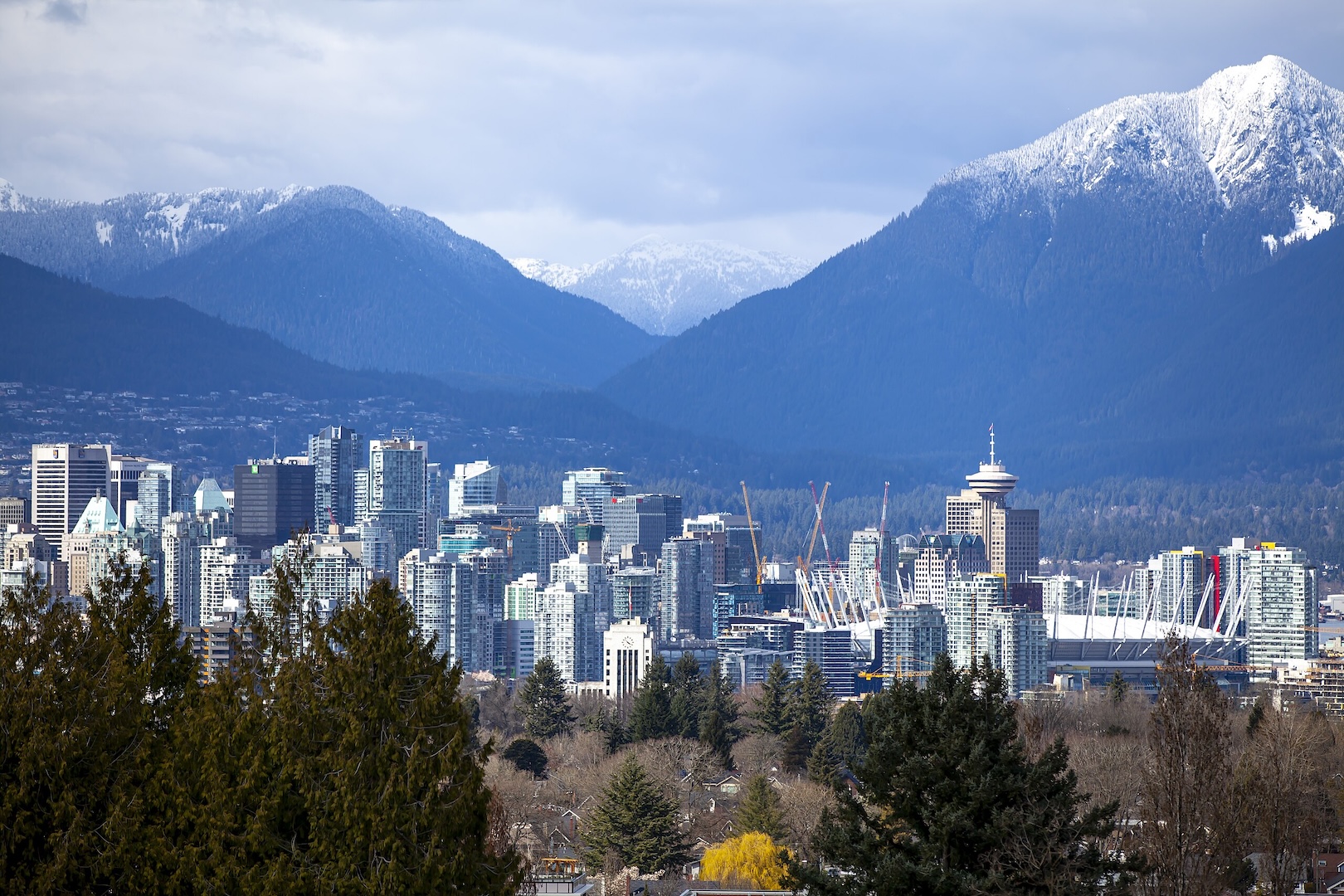
Vancouver, British Columbia. What can Asheville learn about the story of Vancouver’s “highway revolt”? Image source: Wikimedia Commons.
In the decades that followed its highway revolt, the city’s planners effectively created some ground rules. There would be no highways, ever—that was the main idea. They also chose to invest in public transit and bike and pedestrian infrastructure. And the other main idea, they determined, was that if Vancouver was to remain highway-free, they would have to allow mixed-use neighborhoods. They would have to allow their core residential neighborhoods to grow. Because otherwise, how would people get from their homes to their jobs in and near downtown, and to employers such as the city’s large research university?
In other words, if you’re going to ban highways, you’re effectively banning suburbs. And if suburbs are where people tend to live in North America, you need to find other places for people to live—places that don’t require highways. Today, according to Wikipedia, Vancouver has the fourth-highest residential population density of any city in North America.
(I don’t want to leave the impression that Vancouver did everything right. Like many anglophone cities around the world, it is now facing a housing crisis, largely because of exclusionary zoning. There are still large parts of the city’s core that are set aside for only single-family, detached homes.)
* * *
This is, of course, a blog post about Asheville.
There is currently a movement of residents pushing back on the I-26 Connector project. Specifically, the opposition is to a proposed eight-lane overpass that would divide Patton Ave. in two parts. (As I understand it, this proposal is contrary to a previously affirmed idea that Patton Ave. would be a walkable commercial district.)




.jpg)