Agenda item 6.1 – Historic Preservation
December 6, 2025
Re: Agenda item 6.1 Mayor Kamei & City Councilmembers, On behalf of Mountain View YIMBY, I am writing to express several concerns about the current direction of the Historic Preservation Ordinance…
Re: Agenda item 6.1
Mayor Kamei & City Councilmembers,
On behalf of Mountain View YIMBY, I am writing to express several concerns about the current direction of the Historic Preservation Ordinance and Historic Register Update. Our goal is to ensure that Mountain View’s approach to historic preservation prioritizes the preservation of genuinely unique historic resources while ensuring that we respect Mountain View’s history of being a vibrant, diverse, and continually changing city that welcomes new neighbors, stays affordable for current residents, and allows architectural innovation.
As such, we appreciate that a reason for the Update is to facilitate CEQA by having a prepared list of known historic resources. We also appreciate the desire to assist people with properties on the Historic Registry to make changes that do not impact the historically notable aspects of their property. However, implementation matters immensely to effectiveness.
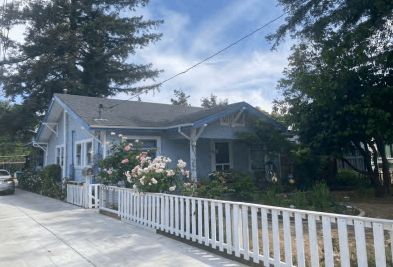
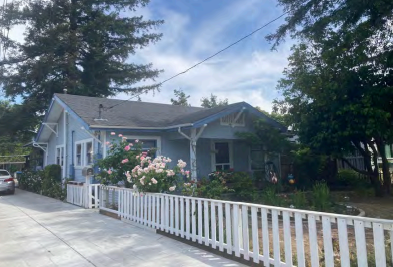
Our concerns center largely around the overly broad definition of a “historic resource,” with nothing to distinguish properties worthy of substantial protection from those simply old enough with no significant changes. For instance, 251 Chiquita Ave’s eligibility for the registry is based on it being “a good local example of a Craftsman bungalow built during a period of increased housing development for local employees of the Pacific Press Association.” (Page 129, ATT 5).
The report includes the photo below, with notes that most of the external-facing architectural elements would be considered “character-defining features,” including the roofing, cladding, windows, porch, eaves, and vents.
The justification for most properties on this list appears to be similar, with similar sets of things included in the “character-defining features.” Combined with staff’s recommendation for a far more onerous opt-out process, essentially any 50+ year old building in Mountain View without substantial alterations would face onerous permitting procedures for any changes (whether seismic retrofits, fire safety, or accessibility fixes). While procedures would exist for many of these things, whether via the California Historic Building Code or via city-administered exemptions, we have consistently seen that extra procedural barriers & approvals meaningfully increase the cost of making such improvements, and thus lead to lower-quality, less-accessible, and less-safe housing for residents.
With these things in mind, we would suggest the City:
- Maintain clear & objective criteria that it will use when it needs to perform CEQA analysis, and endeavor to identify properties meeting those criteria in advance. This does appear to be the current direction of the project, we hope that it continues so that CEQA analysis can be performed expeditiously when needed.