Policy — Broad Upzoning
July 24, 2024
Pittsburgh needs to upzone the entire city. We should allow more housing to be built everywhere in the city.
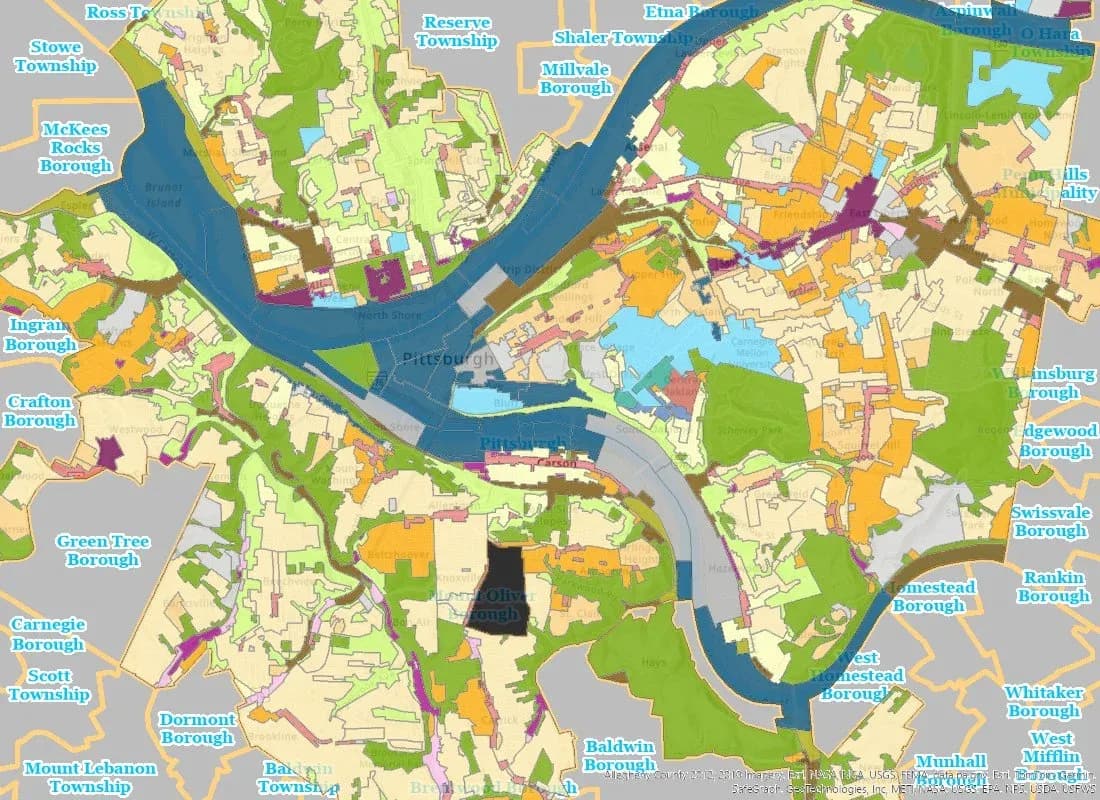
This is the sixth entry in our ongoing Policy series. Pittsburgh is in the midst of a severe housing crisis, with many neighborhoods becoming increasingly out of reach for many families. While the causes for our housing problems today are many, the goal of Pro-Housing Pittsburgh is to advocate for each and every change that can lessen the extent of the crisis. Each entry in this series describes a specific Policy that can be undertaken by the local government to help with the housing crisis in Pittsburgh.
The Problem
So far, we have focused on zoning code policies that drive up the cost of housing such as parking minimums or lot size requirements. However, one overarching theme is the sheer complexity of the current zoning code.
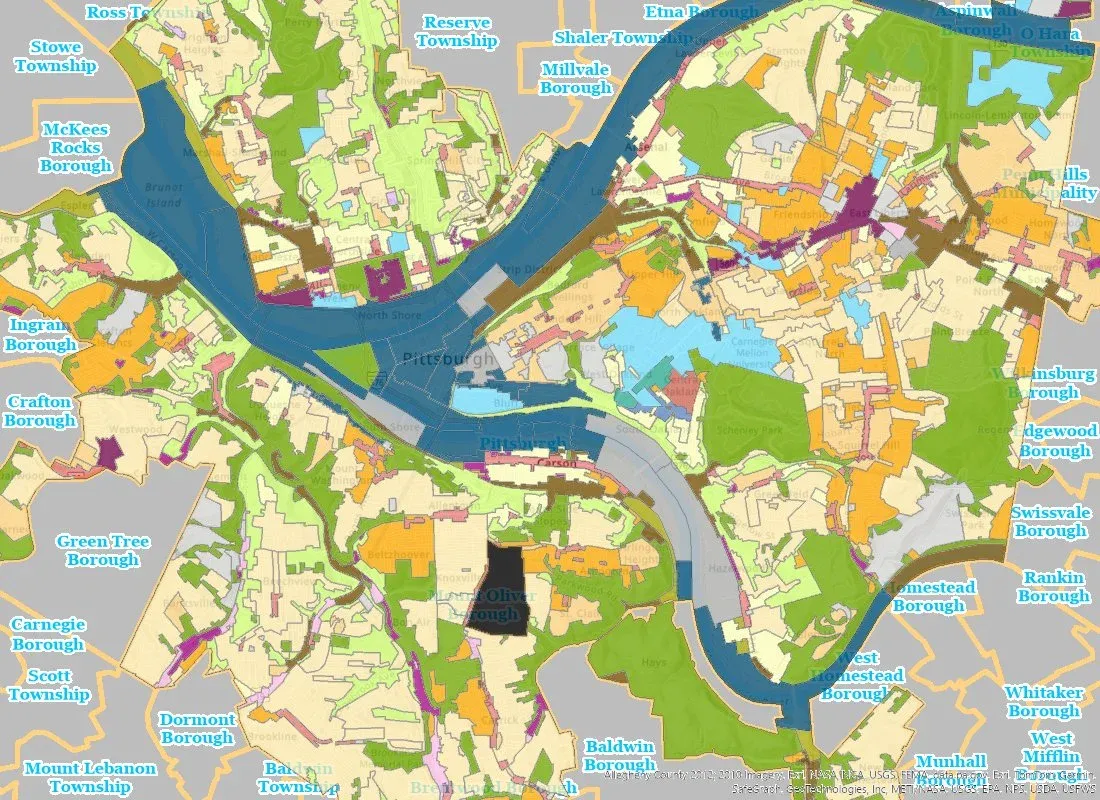
The Zoning Code defines 3 major categories of residential zoning districts: Residential, Mixed Use, and Special Purpose. These in turn define subdistricts, with Residential listing 5 districts, with 5 sub districts each, Mixed Use with 10 districts, and Special Purpose with 4 districts: P, H, EMI, RIV (with RIV defining 5 subdistricts). In addition to the 19 different residential districts (43 residential subdistricts), there are an additional 6 Environmental Overlays, 4 Development Overlays, 3 Public Ream Districts, 2 Planned Development districts, and 1 Golden Triangle district (with another 5 separate subdistricts).
Altogether, Articles 1-3 of the Zoning Code detail 53 separate subdistricts, before including any overlays. In addition, each of these subdistricts' uses and restrictions can also be altered by proximity to other districts and buildings. We have made an attempt to try to count how many different sub-sub-districts these various rules and overlays made, but lost count when we got past 200 unique districts!
Each set of rules has requirements for the number of units allowed, the lot size required, the number of parking spaces per unit, the lot size required per unit, and other rules that were engineered to exclude. These districts are then applied to thousands of different geographic fragments of our neighborhoods within the city. In the neighborhood of Shadyside alone there are over 15 distinct sets of zoning rules that split the neighborhood into over 30 distinct zoning districts, all to govern a single neighborhood.
As we have repeatedly illustrated in our You Can’t Build That Here series, these zoning code fragments were overlaid on neighborhoods where the new code did not match the existing structures - preventing them from being rebuilt or reused, or building new buildings that match the existing fabric. The result has been to choke off new home construction in large swaths of the city.