Our solutions
Our recommended policy solutions for improving housing affordability and abundance in Pittsburgh.
Solutions
Remove Parking Minimums
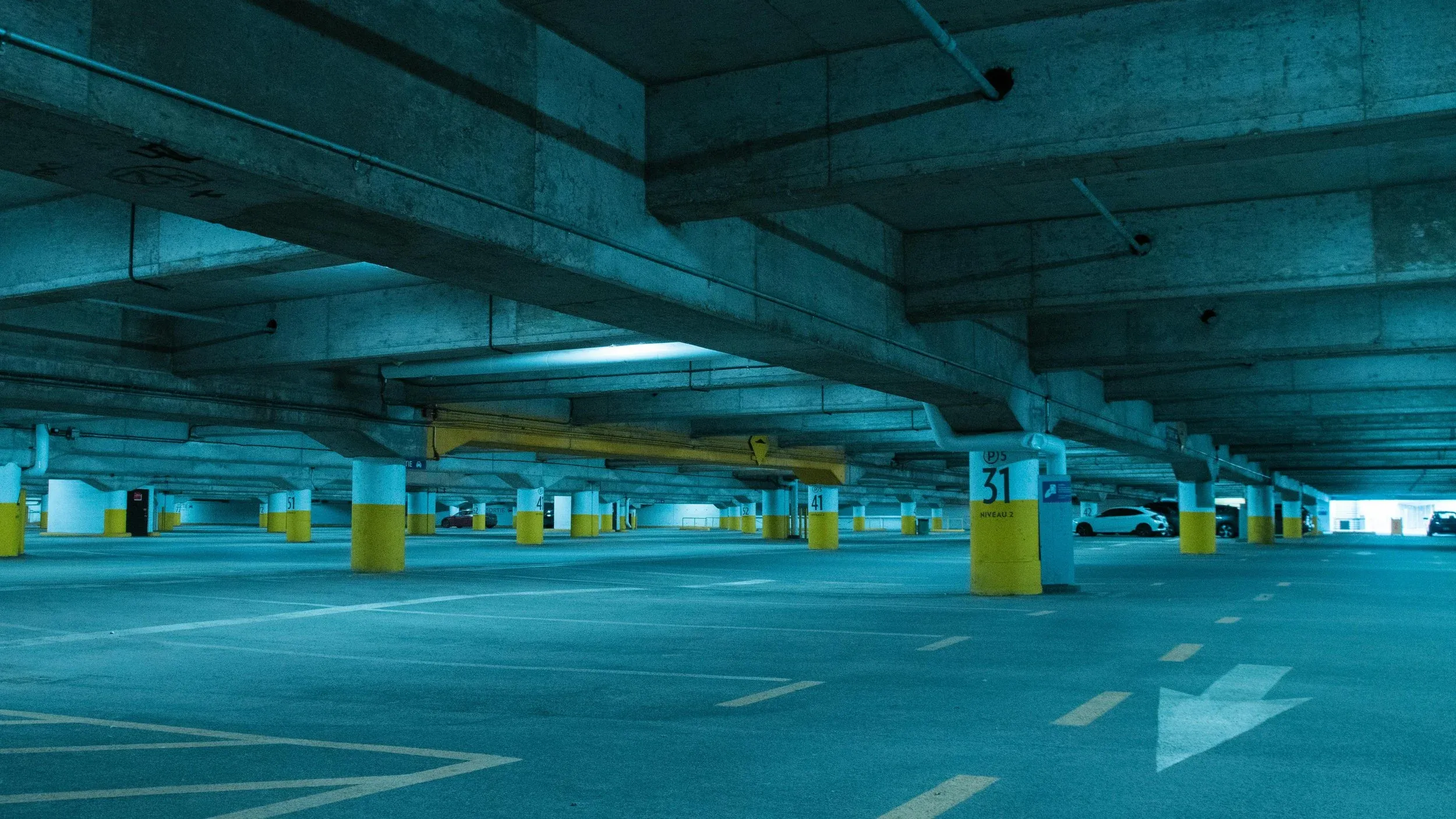
We should join Austin, Buffalo, Charlottesville, Richmond, Ann Arbor, and the many other cities in eliminating minimums parking requirements for new construction. Building parking encourages car dependence and significantly increases the cost of building housing which raises rents.
Get Rid Of Minimum Lot Sizes
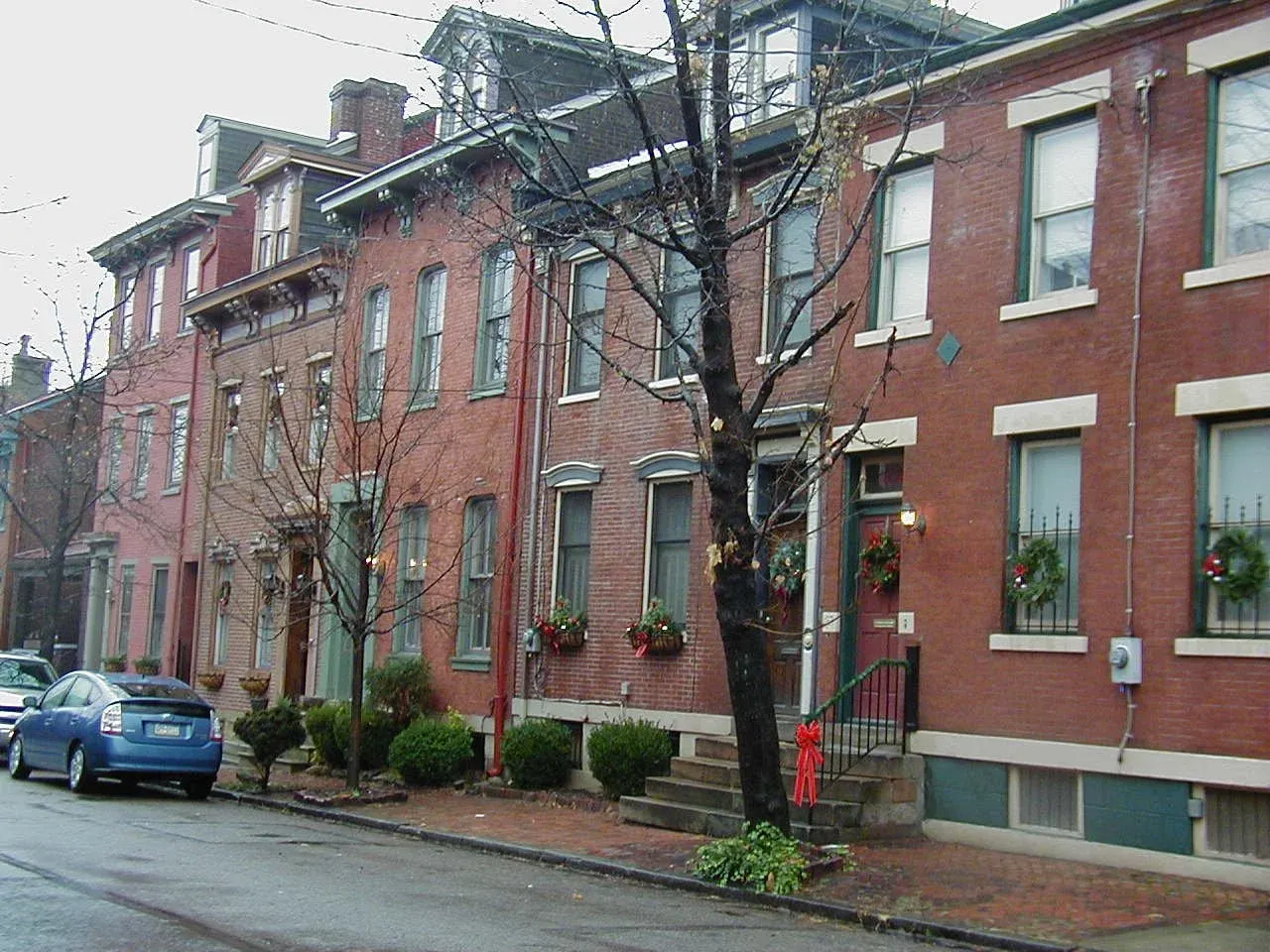
A reasonably sized house can easily be built on a 1000 square foot lot yet our zoning code requires a minimum lot size of 8000 sq ft in some areas. Many of Pittsburgh’s heritage homes would be illegal to build today because of minimum lot size requirements. We should remove minimum lot sizes from our zoning code and let builders worry about whether a lot is big enough to build on.
Change the Way We Tax
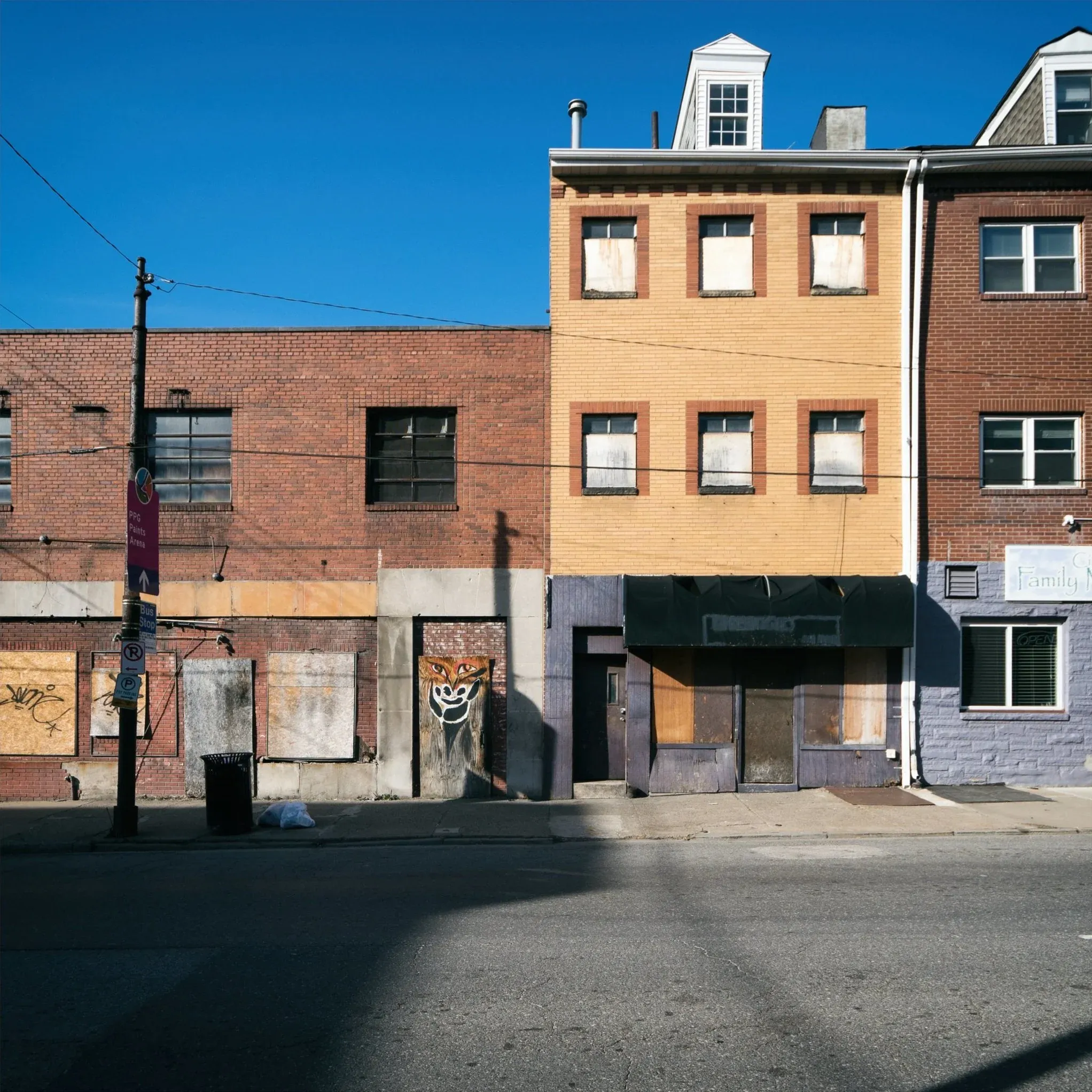
Pittsburgh needs to reform its tax system to incorporate a Universal Building Exemption. Currently, an empty lot pays way less in taxes than the same lot with a triplex on it. This lets speculators hold vacant lots hoping to sell them for a profit in the future instead of building housing. With a Universal Building Exemption, we tax is levied on the land rather than what is built on it, which makes it more expensive to hold on to unused land. Homeowners would no longer have to pay taxes on their homes and improvements to their homes, just on the land that it sits on.
Image from @simple-pleasure
Assess Regularly
Allegheny County needs to conduct frequent, regular, fair tax assessments instead of waiting to get sued and being compelled to reassess by the courts. Our current system, where new construction is pretty much the only thing that gets an accurate assessment, is effectively a tax on renters and new arrivals.