News & Commentary
Tiny Homes, Big Fights: Why ADUs Matter More Than Ever
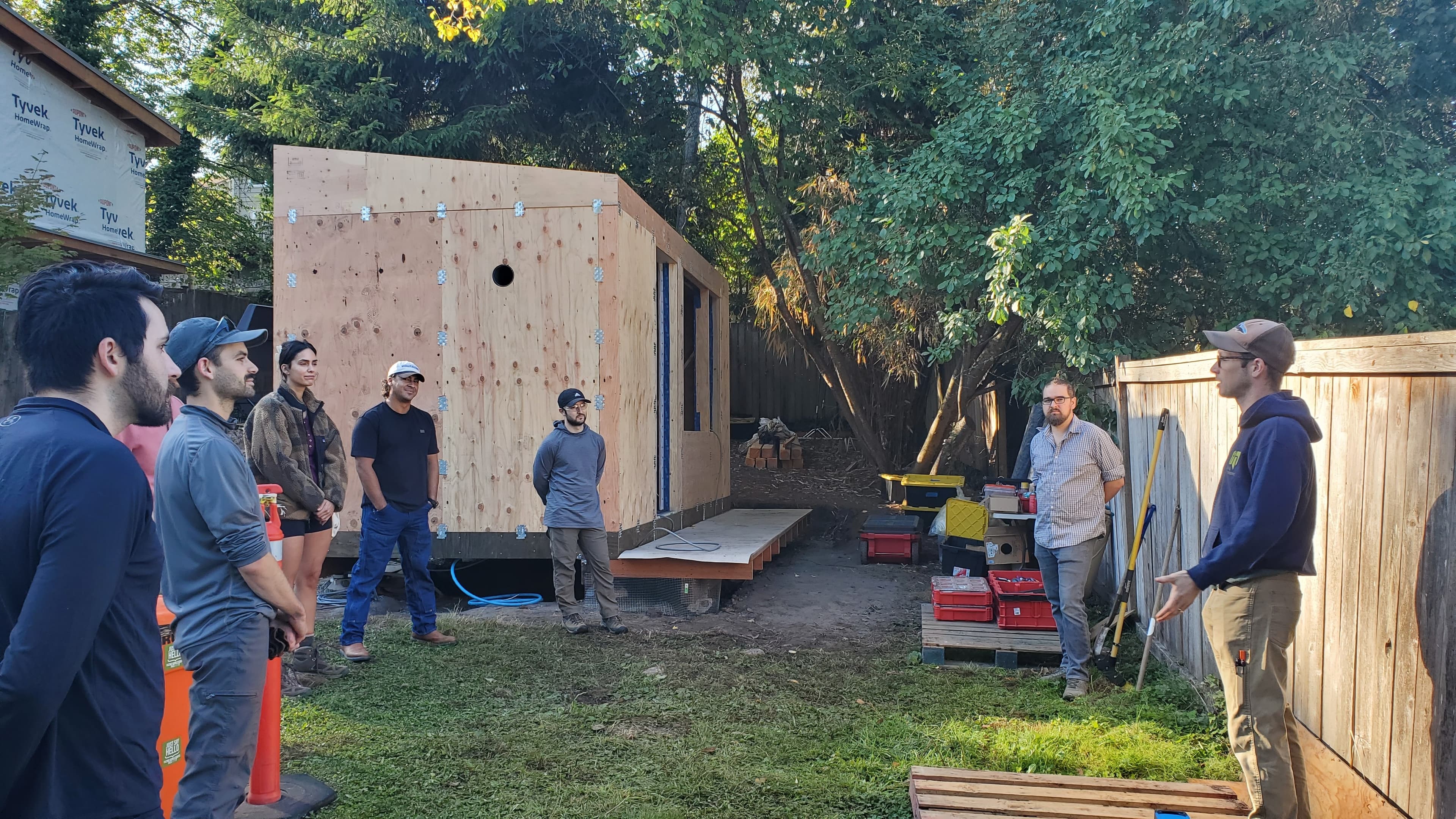
Accessory Dwelling Units (ADUs) may be small, but they’re punching above their weight in the housing debate
Guest blog by Juan Castillo
A backyard cottage or garage conversion looks simple enough— sometimes it’s grandma’s flat, sometimes it’s a lifeline for a renter, sometimes it’s the only way families can stay close without doubling up. But everywhere ADUs are proposed, they spark outsized fights. Why? Because ADUs are about more than backyards. They’re about belonging, affordability, and whether cities are ready to adapt.
Why ADUs Matter
Housing Relief Without Sprawl
Across the country, ADUs are one of the fastest-growing sources of new housing. In California alone, ADUs accounted for roughly one in five new homes permitted in 2022. They deliver rentals in places where building large apartments is politically impossible. And they do it without paving new farmland or extending miles of new roads.
Multi-Generational Living
Families are already using ADUs to care for aging relatives, give young adults a shot at independence, or create caretaker housing. They provide flexibility at a time when family structures don’t always fit neatly into a single house.
Sustainability Wins
By reusing existing lots, ADUs make better use of infrastructure. They shorten commutes, cut down on carbon emissions, and reduce the pressure for sprawl. In a climate-conscious world, ADUs are one of the lowest-hanging fruits we have.
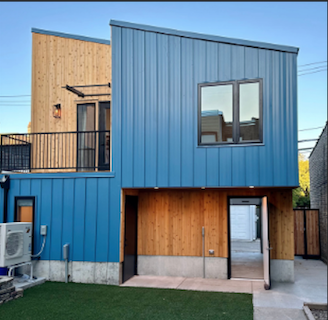
Why the Fights?
If ADUs make so much sense, why the drama? Simply put: politics. It’s a frustrating truth, but ADUs are often less about the design of small homes and more about the power struggles that define local decision-making. Who gets to decide what a neighborhood looks like? Who benefits financially, and who feels threatened? When cities debate ADUs, they’re really debating who holds influence—longtime homeowners, vocal neighborhood groups, or advocates pushing for housing abundance. In this way, the fight over a small backyard cottage becomes a proxy for much bigger political battles.
Barriers That Pretend to Be Rules
In many cities, ADUs are technically “allowed,” but strangled by parking requirements, setback mandates, minimum lot sizes, and owner-occupancy rules. Each barrier adds cost or makes projects impossible. California only saw ADU growth after the state stepped in to strip away these local blockers.
Neighborhood Pushback
The phrase “neighborhood character” shows up again and again. What it usually means is discomfort with renters, fear of change, or simply resistance to the idea that new neighbors could live behind the fence. Even when ADUs are invisible from the street, the politics are loud.
Design Disputes
Should backyard homes match the main house? Should prefabs be allowed? Should they be tucked discreetly out of sight or celebrated as new forms of housing? These questions seem minor, but they often mask bigger resistance to housing diversity. What looks like a debate about siding or roof pitch is usually a stand-in for whether neighborhoods will accept change at all. By focusing on aesthetics, opponents can frame their objections as design concerns, when in reality the issue is about who belongs and whether the status quo should be preserved.
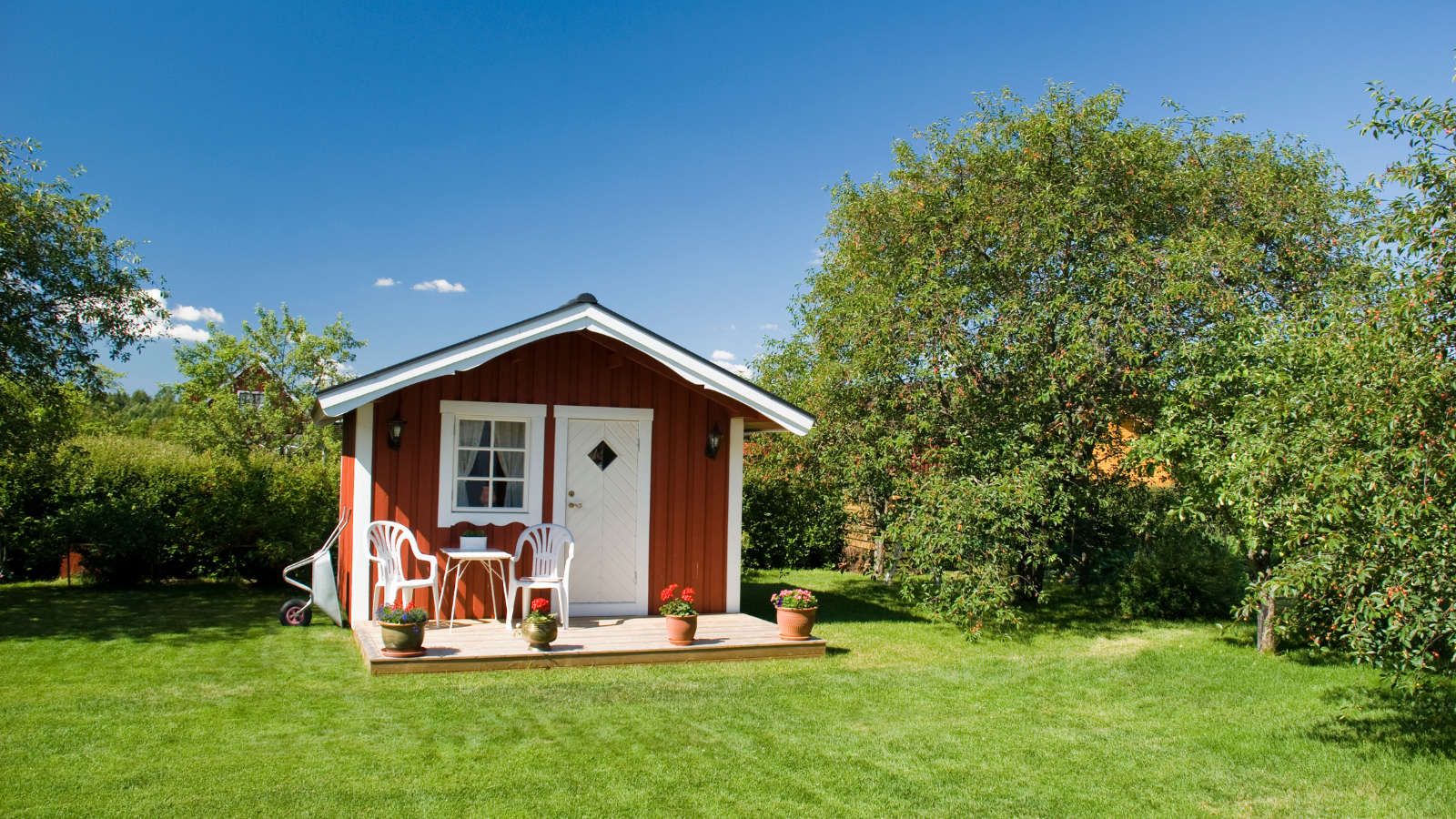
What Works
There are clear lessons from cities that moved past the stalemate.
- State Preemption: California’s laws unlocked tens of thousands of ADUs. Without state action, local barriers kept wins on paper from becoming homes in reality.
- Standard Plans: Cities like Seattle and Los Angeles provide pre-approved ADU designs that save homeowners time and money.
- Reframing the Narrative: Call it an “Airbnb unit” and people panic. Call it a “granny flat,” and the conversation shifts. Framing ADUs around family, community, and care makes them harder to oppose.
ADUs are Worth It
ADUs are proof that small changes can have outsized impacts. They won’t solve the housing crisis alone, but they’re one of the clearest, most immediate steps we can take. The choice is simple: keep fighting over backyards, or start building a future where more people have a place to call home.
About the Author: Juan Castillo is an urban planner and the writer behind Zoned Out Planner, where he translates planning and housing policy into clear, accessible stories for a wide audience.


Housing won't fix itself
Every win in every city starts with people who decided to show up. Join them.