-original.png&w=3840&q=75)
How parking laws can make or break your community.
December 31, 2025
Here is a medium post from Joseph, one of our members:
Here is a medium post from Joseph, one of our members:
Let me tell you a story about Fairfax County, Virginia and an indoor pickleball arena. With a population of over 1.15 Million and more tech workers than San Francisco, Fairfax is one of the most important cities in America. And, until recently, it had a law requiring a minimum 2.5 parking spaces be built per townhouse.
Fairfax, like most cities do today, controls how many parking spaces every type of housing, commercial, and retail must have through zoning laws. These strict and nonsensical parking minimums were making housing less affordable, making it harder to open a new small business, destroying more trees and green spaces, and just generally hurting the county.
So, in August 2021 Fairfax started working on a “Parking Reimagined” project to update the several decades old parking requirements the city was enforcing. After more than 2 years of planning, arguing, outreach, public comments, compromise, negotiation, and political fighting Fairfax passed the project and lowered parking minimum requirements for home builders, small businesses, and more. It was passed in part thanks to YIMBYs plus other urbanist and environmental groups who came out in droves to publicly support the changes on the grounds of environmental impact, pro more affordable housing, and love of freedom.
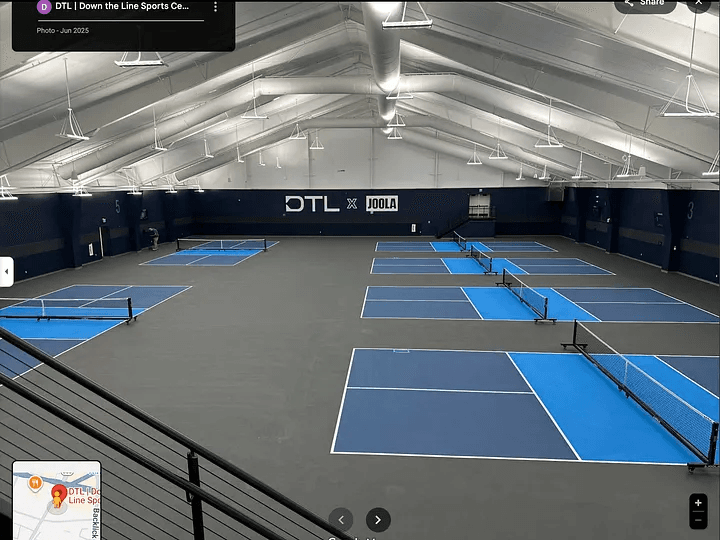
One particular public supporter of the parking policy changes was Jenni Bae, a local small business owner trying to open a new indoor pickleball court and community space.
The city’s previous parking minimums required more parking spaces for indoor recreation businesses than DTL could possibly provide. Without meeting those legal requirements, a venture can’t get a business license or could face steep penalties and fines.
The city’s previous parking minimums required more parking spaces for indoor recreation businesses than DTL could possibly provide. Without meeting those legal requirements, a venture can’t get a business license or could face steep penalties and fines.
Bae’s message was clear:
“I need parking reimagined to be passed so that we can open. … I wanted to speak as a small business owner today. Businesses are bound to these restrictive regulations that really make it almost impossible to open any new business in older building with smaller lots.”
Now that the requirements have been relaxed a small amount DTL Sports Center was able to open and become the premiere pickleball facility of the East coast. Incredible!
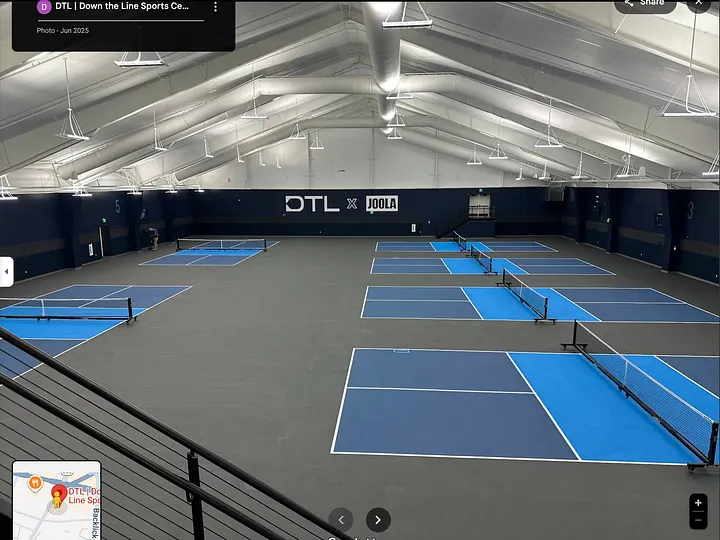
DTL is also an incredible community space with a cafe, meeting spaces, and more. It even hosts holiday popups and more local centric events. This incredible new pillar of our community was being blocked by parking of all things, and I’m so grateful it exists now. It’s important to remember the real sacrifices we are making when we allow restrictive laws like parking minimums to exist.
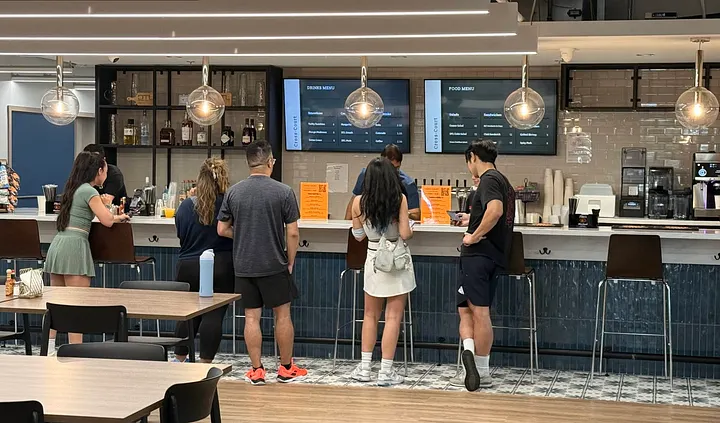
Just a small change has led to a new 5 star rated pillar of community, generating great tax revenue to support city services & schools, bringing in people from across the country to Fairfax, and providing more community third-space to residents.
Thank you to local YIMBY lead, Aaron Wilkowitz, everyone who made public comments (especially Jenni Bae), and all the public servants who contributed to the policy update for your work making this and so much more happen. We can build cities for people, instead of cars. We have everything to gain.
Join Yimbys of Nova, or your local Yimby chapter to support more common sense policy choices that make it easier to open new small businesses and build more affordable housing.