Since COVID, office space vacancies have risen dramatically in cities across the United States as more people work from home and more businesses operate as virtual workplaces. Converting vacant offices to homes has become a key opportunity for cities to upzone downtown areas, increase urban density, and unlock more homes near transit, jobs, and other opportunities.
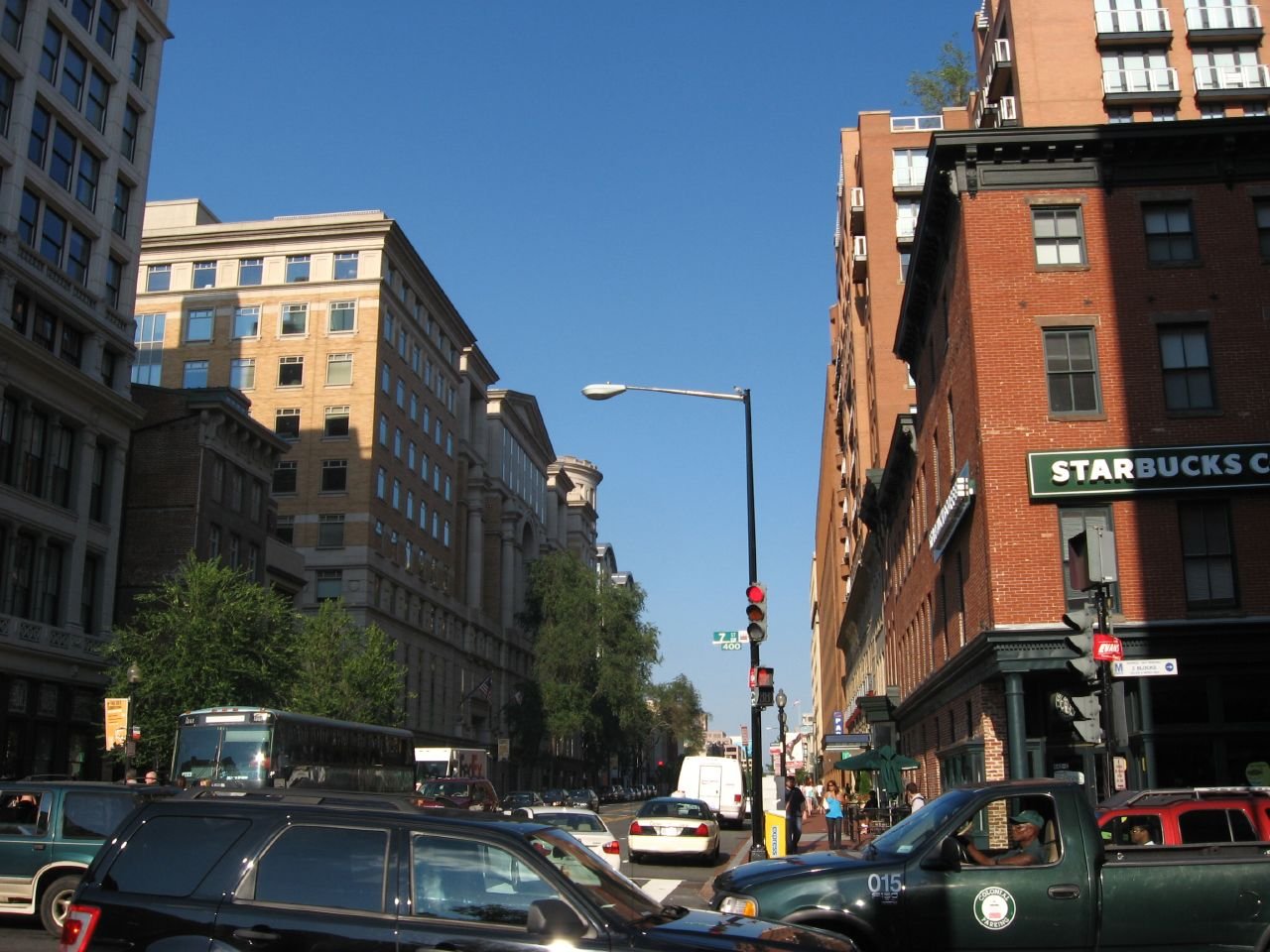
The national vacancy rate for office space rose to nearly 20% by the end of 2024. Converting empty offices into homes is an opportunity to reinvest in struggling downtowns, increasing tax revenue while also addressing local housing needs.
Most downtown areas already have strong access to jobs, transit, and amenities. By converting empty offices to homes, cities increase access to high-opportunity areas and turn empty commercial districts into thriving communities.
Converting empty commercial spaces into homes boosts downtown activity, supports local businesses, increases tax revenue, and creates vibrant, mixed-use neighborhoods, addressing both vacant buildings and housing shortages simultaneously, making cities more resilient and walkable.
Office-to-residential conversion policies are especially sensitive to eligibility criteria, zoning codes, and building codes to determine whether conversions are financially viable for developers. Because these projects often involve complex tradeoffs between economic, regulatory, and community interests, well crafted policy design is essential to build a broad support and successfully advance legislation.
Allow for by-right conversion of office and commercial properties to housing along commercial corridors. Requiring objective standards for approval ensures that new housing proposals can't be delayed or denied based on unclear or inconsistent criteria.
A public-private partnership is an alternative procurement method in which a public agency partners with a private-sector entity in order to leverage private resources and expertise through the transfer of risk.
Local communities historically have not been successful at predicting the appropriate amount of parking. Setting a maximum now can become another barrier to housing down the road. Additionally, parking minimums add costs and space requirements that can make redevelopment infeasible to build, especially in areas where additional parking cannot easily be added.
Affordability requirements often make many projects financially impossible to construct or renovate.
Office conversions should not be subjected to aesthetic requirements because strict design standards can make projects financially infeasible without delivering meaningful public benefits. Conversions already reuse existing structures, which reduces carbon emissions, construction waste, and development timelines. Adding costly or subjective aesthetic mandates can stall or kill projects, limiting housing production at a time of severe shortages.
To get buy in, prioritize spreading a fact-based narrative about this policy and its benefits by building coalitions with local residents and businesses. Education sessions and neighborhood meetings can counter common fears about the impacts of converting offices into housing.
Ohio
Virginia