Single-stair reform updates building codes to allow mid-sized multifamily buildings (typically up to six stories) to be constructed with one stairway instead of the two required under most U.S. codes. Dual-stair requirements often force a “double-loaded corridor” layout, units on both sides of a central hallway, which limits natural light and ventilation, reduces unit size flexibility, and wastes space. While multiple stairwells are appropriate for large buildings, allowing single-stair designs for smaller projects promotes more efficient floor plans, larger family-sized units, and better light and airflow.
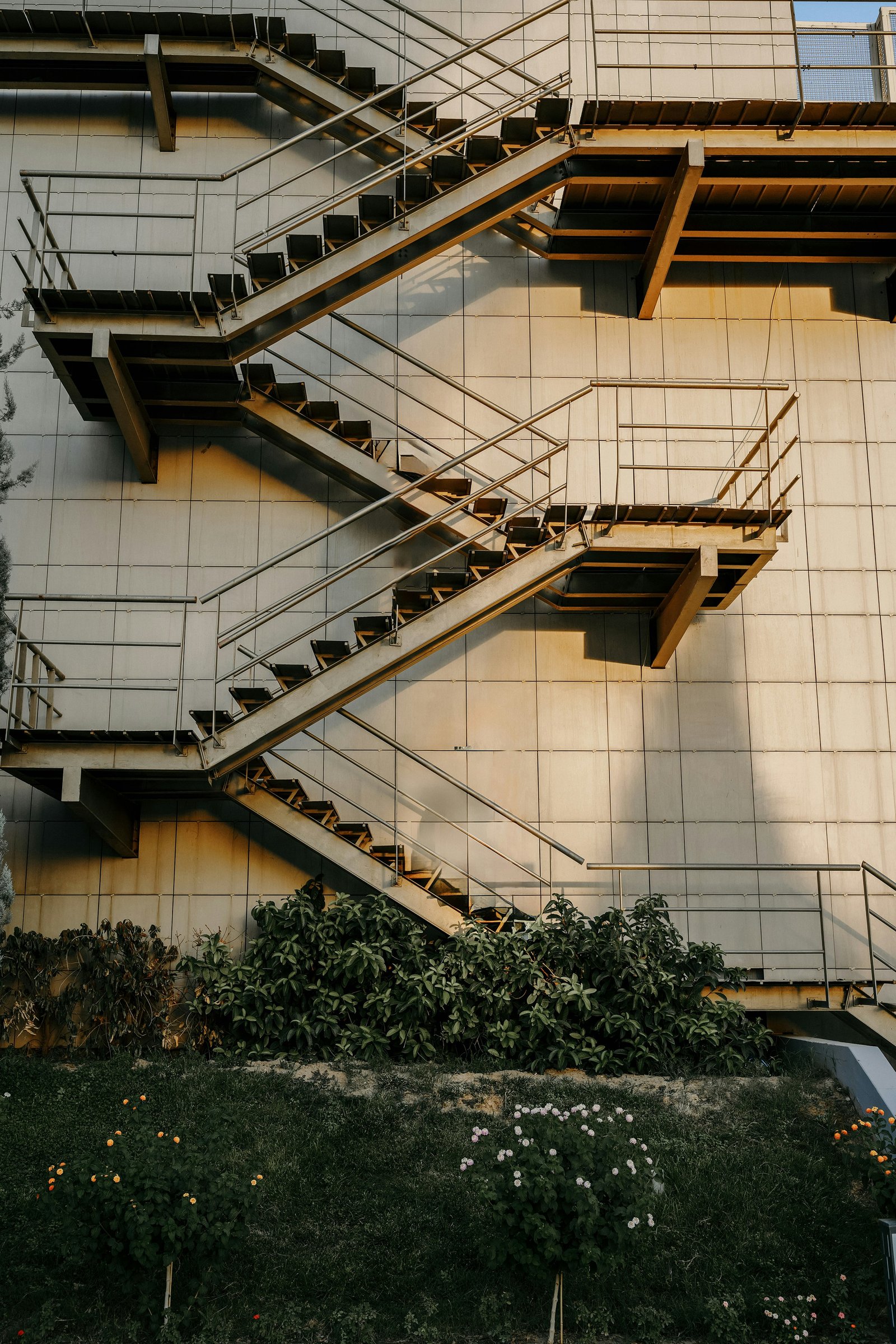
Makes “missing middle” (mid-sized, 4–6 story multifamily housing) feasible, which is often blocked by outdated safety codes.
By reducing space lost to redundant stairwells, developers can add more homes per lot without increasing building height.
With more flexible floor plans, projects can include larger two- and three-bedroom units that are often missing in urban housing markets.
Single-stair layouts allow more natural light, ventilation, and cross-breezes, making homes more comfortable and energy-efficient.
More efficient use of space and simpler designs lower construction costs per unit, helping make new homes more attainable.
When crafting single stair legislation, advocates should clearly align it with existing codes and work to avoid mandates that increase construction costs.
By explicitly stating the maximum building height, typically to 4-6 stories, single-stair buildings stay within the reach of most fire truck ladders. This approach negates a common safety argument that a single-stair building exit could become compromised during a fire.
While some areas of the building code receive routine updates, others are still based on outdated construction methods or fail to account for modern building technologies and practices. Building and fire codes should continuously be updated as new building technologies and practices make it possible to maintain and often exceed the old codes and standards and allow for single stair buildings to be constructed.
Affordability requirements, such as inclusionary zoning, make many projects financially impossible to construct.
Parking structures add $35,000–$38,000 per unit, about 8% of total project cost, a burden passed directly to renters and homeowners.
Avoid multiple, redundant fire-protection systems that will drive up the cost of construction and reduce affordability.
Implementing single-stair reform begins with updating state or local building codes to allow single-egress stairways in mid-rise residential buildings, provided enhanced fire safety standards. To make this policy enforceable,
Safety is a common concern with single-stair reform, so advocates should make every effort to ground conversations in facts instead of fears. Remind your audience that modern fire and building safety standards such as sprinklers, alarms, fire-rated construction, and proven international practices ensure that single-stair buildings can be designed and operated safely.