

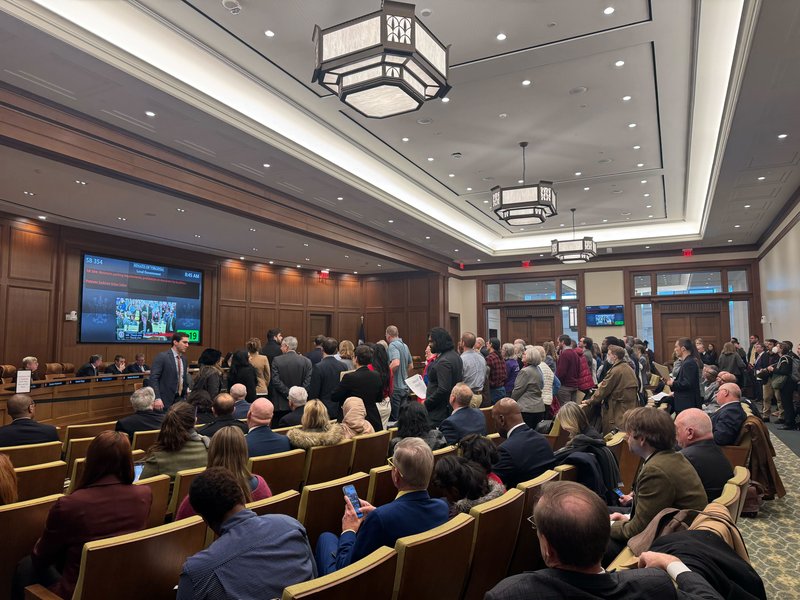
The 2026 Virginia General Assembly session marked one of the most consequential periods for housing reform in the Commonwealth’s recent history. After three years of organizing and coalition-building, the Commonwealth Housing Coalition (CHC), with YIMBY Action serving as the group’s convener, helped advance a package of bills that expands housing opportunity access across Virginia. But more importantly, CHC broke through the longstanding deference to local governments and local control of land use and zoning.
CHC entered the 2026 session with momentum. Over the previous year, the Coalition grew from roughly 30 member groups to more than 60. Members met with legislators from across the state to discuss the reality of Virginia’s housing shortage, underscoring the state’s role in ensuring that working-class families can afford to rent or buy a home.
In the lead up to Session, the coalition collectively decided on a legislative package to pursue. This included bills that had been pursued in previous Sessions, like by-right accessory dwelling units and faith in housing. It included bills that housing champions, like Senator Schuyler VanValkenburg and Delegate Dan Helmer were reintroducing, like legislation to encourage by-right residential development in commercial zones. Lastly, CHC decided to bring forward a new bill: parking reform, which would remove outdated, wasteful local parking mandates.
In early January, CHC and pro-homes champions worked quickly to align legislative priorities with Governor Abigail Spanberger’s affordability agenda. The group held a press conference headlined by bill sponsors who laid out their bills and their role in reducing home costs for Virginians.
Two weeks later, CHC’s Lobby Day — rescheduled due to a historic ice storm — brought more than 75 advocates to Richmond, the coalition’s largest turnout ever.
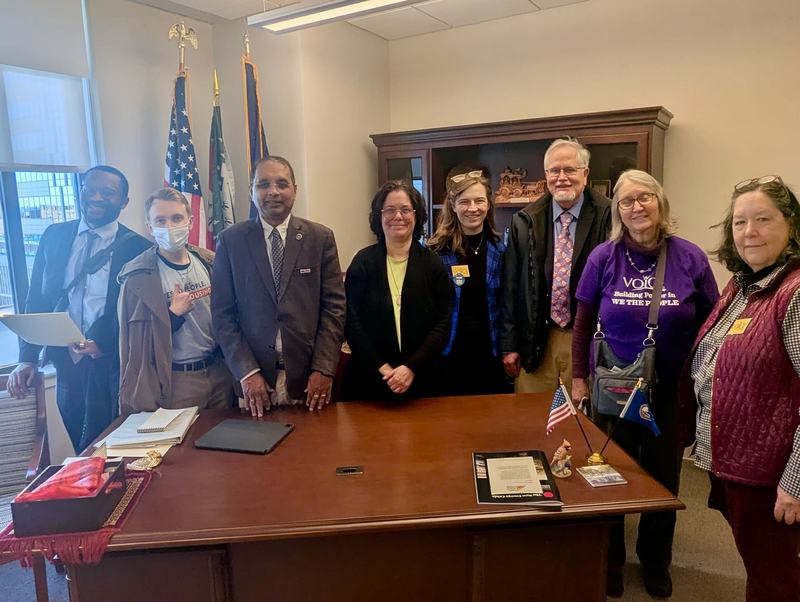
CHC partners at HOME of Virginia, VOICE, and YIMBY Action coordinated outreach to legislators, organized constituent pressure, and mobilized grassroots advocates. Five priority bills entered session with real traction.
What followed was two months of intense advocacy, close votes, and a mix of major wins and one key loss.
Priority Bills
Faith in Housing (HB 1279 / SB 388)
Status: Passed; Effective January 1 , 2027.
This flagship bill allows faith institutions and certain nonprofits to build affordable housing by-right on their land, removing local zoning barriers. The bill faced tough sledding after a re-enactment clause was placed on the House version, which would force the bill to start the legislative process all over again next year. The Senate version was refined to address concerns from local governments, but protected the core intent of the bill. The House version passed 60-36, while the Senate vote was much closer: 21-17.
After narrowly passing both chambers, the bill went to conference to resolve the differences between the two versions. The conference version then had to pass the House and Senate once more, where it passed narrowly (55-40 in the House and 21-17 in the Senate) before being sent to Governor Spanberger.
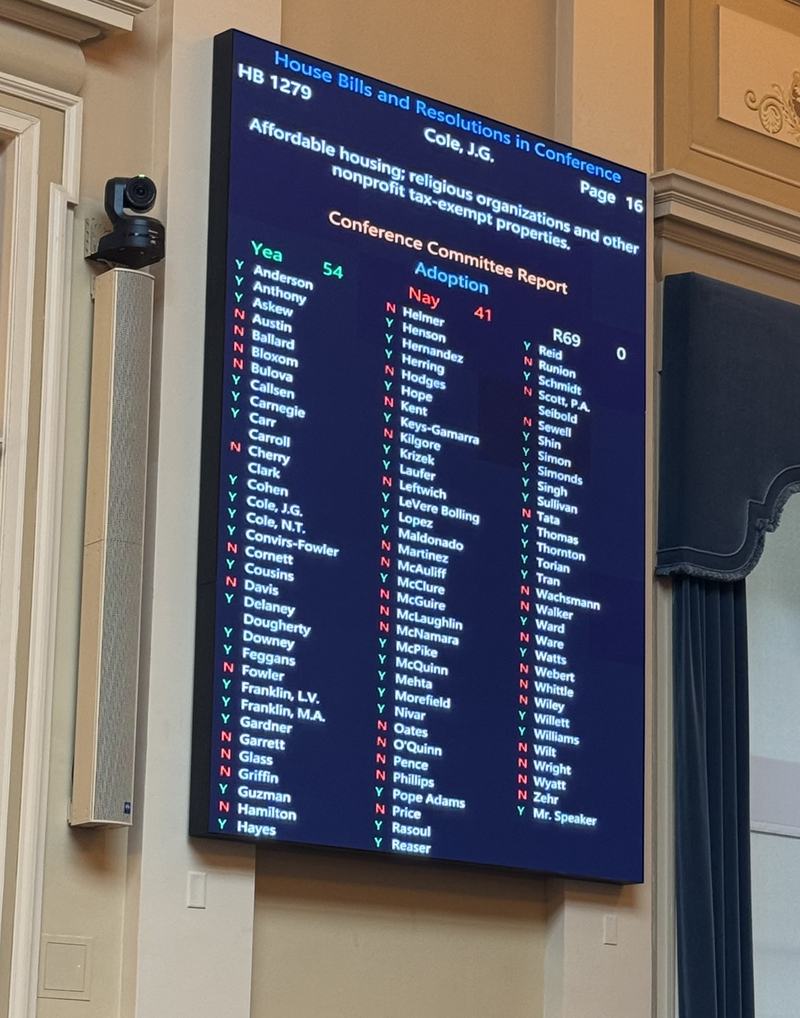
On April 14, the Governor sent down several amendments to the bill, mostly technical, which would have to then be accepted or rejected by the General Assembly. After reviewing the amendments, the Coalition decided to urge the General Assembly to accept the amendments during Reconvene Session on April 22. The amendments were accepted 62-38 in the House and 21-18 in the Senate.
Between January 14 and April 23, grassroots activists sent over 13,500 emails and made 180 phone calls to legislators and the governor. Once Governor Spanberger signs the final version, as it is presumed she will, it would become law on January 1, 2027. The bill’s success was driven by coordinated advocacy: clergy testimony, sustained constituent outreach, and strong alliances between housing professionals and their representatives on capitol hill.
Parking Reform (HB 888)
Status: Passed; Effective July 1 , 2026.
HB 888 reduces excessive parking requirements that increase housing costs. The bill says that within a half-mile of transit, localities cannot require more than 0.5 parking spaces per unit for multifamily or mixed use homes and 1 space for one- and two-family homes. It also mandates that localities larger than 20,000 residents allow at least a 20% administrative reduction in parking requirements.
Though negotiations resulted in a limited carve-out for Fairfax County, the bill still represents a major statewide reform. It passed both chambers by narrow margins: 61-37 in the House and 21-19 in the Senate.
Throughout Session and into Reconvene Session, advocates sent nearly 6,000 emails to their Delegates and Senators. Governor Spanberger sent down amendments, which the House accepted 62-38 and the Senate 21-18. The bill now awaits a signature from the governor and is slated to become law on July 1, 2026.
By-Right ADUs (SB 531)
Status: Passed; Effective July 1 , 2027.
This bill legalizes accessory dwelling units (ADUs) statewide by-right, eliminating burdensome special-use permit processes. Though concessions were added — including a parking requirement, a 500-foot distance limit, and grandfathering in existing local ADU ordinances — the core reform remained intact.
Thanks to the advocates who sent in over 7,000 emails to their legislators and the persistence of the bill patron, Senator Kannan Srinivasan, ADUs are now positioned to become a source of incremental housing supply across Virginia. Governor Spanberger signed the bill on April 13, and it will become law on July 1, 2027.
Support Bills
In addition to the priority bills, CHC members brought two additional bills to the Coalition’s attention that expand housing affordability in the Commonwealth.
Legalizing Manufactured Homes (HB 655 / SB 346)
Status: Signed by the Governor; Effective July 1, 2026.
In a near-unanimous vote, the General Assembly approved zoning parity for manufactured homes in areas where site-built housing is allowed. Previously restricted in many jurisdictions, these homes — often the most affordable path to ownership — will now be treated equally under zoning rules.
Expedited Affordable Housing Approval (HB 594)
Status: Signed by the Governor; Effective July 1, 2026.
HB 594 allows localities to create an administrative approval process for income-restricted affordable housing. By reducing permitting delays, it aims to lower costs and accelerate development. The bill passed with strong bipartisan support.
The Major Setback
Housing Near Jobs (HB 816 / SB 454)
Status: Failed
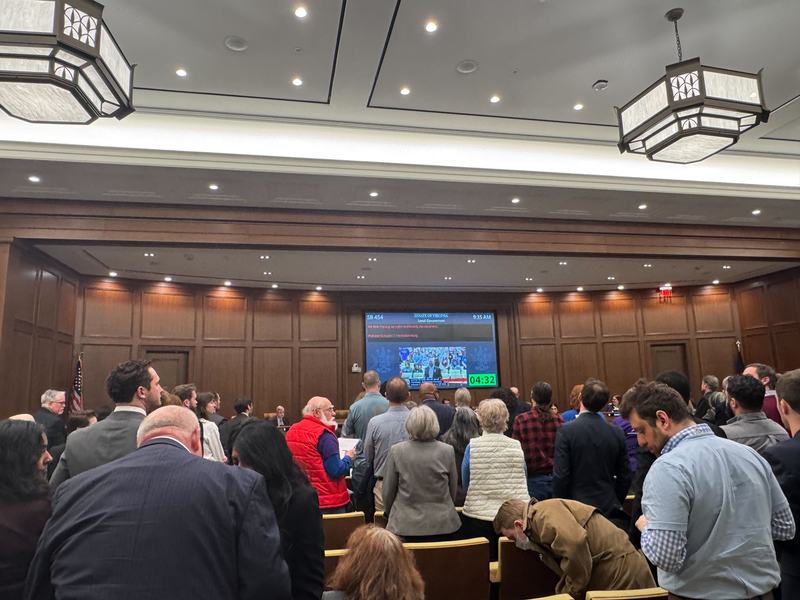
This bill would have allowed housing by-right on commercially zoned land near job centers — one of the most impactful supply-side reforms proposed this session. Internal estimates found that this bill had the potential to create over 11,000 homes out of old strip malls and abandoned office parks.
Despite passing the House early in Session, it failed in the Senate after significant opposition from local governments and shifting political dynamics. While the loss was significant, it advanced the broader conversation around housing supply and left the coalition unified for future efforts.
Staying Engaged
While this Session represents a critical juncture in the fight to end Virginia’s housing shortage, there is still more work to do. States like North Carolina, Florida, and Texas continue to pass meaningful reform, with cities like Austin building more homes than the entire Commonwealth of Virginia does in a year.
Virginia is closer than ever to a meaningful shift in housing reform. The progress made this Session reflects years of organizing and sets the stage for even greater gains ahead. Here’s how you can stay involved:
PS - Join the YIMBY Action email list to get the first look at the 2026 Virginia Legislative Scorecard to find out who Virginia’s Housing Heroes are and who could use some encouragement.