
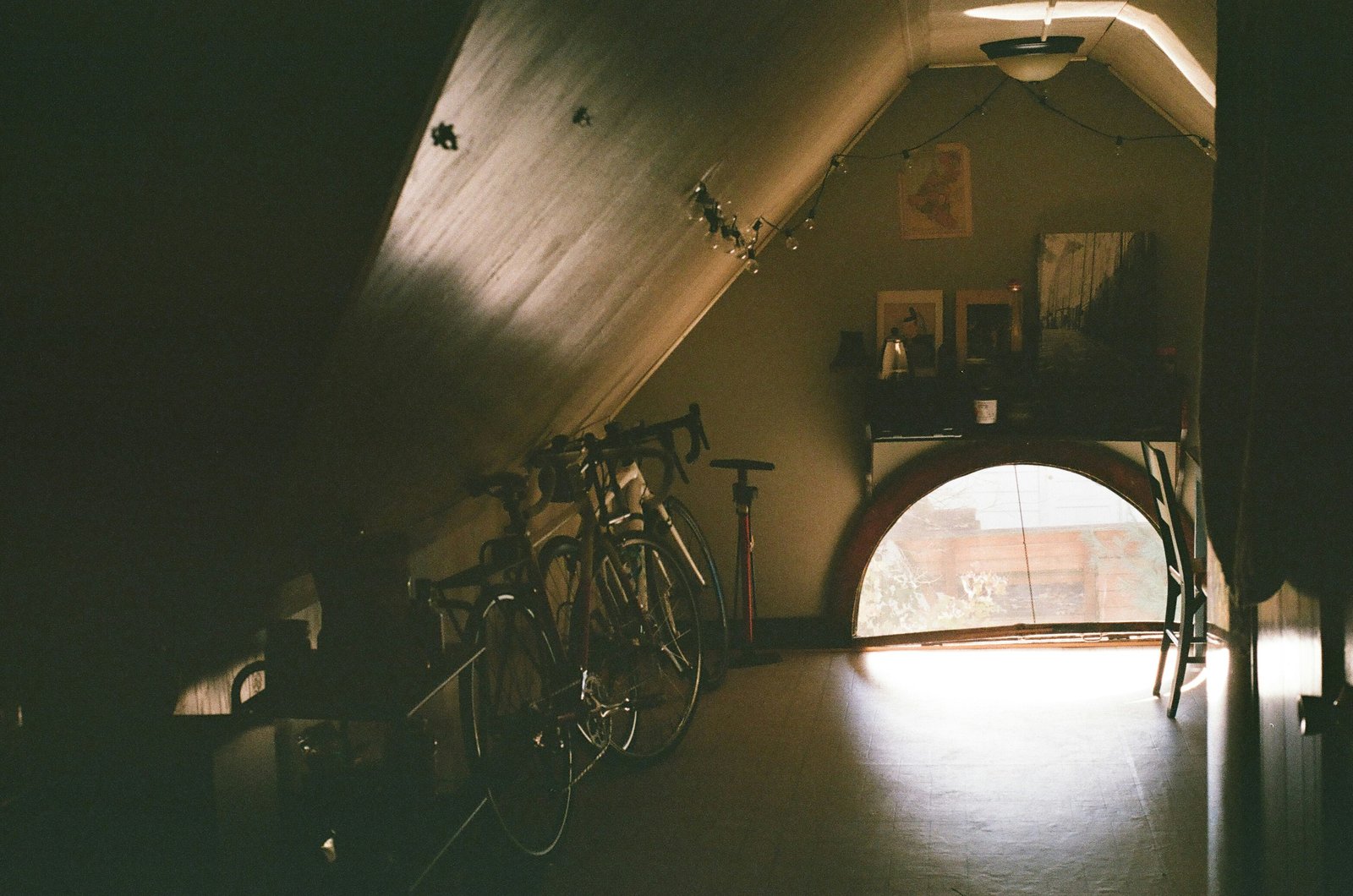
An accessory dwelling unit (ADU) is a smaller, independent residential dwelling unit located on the same lot as a stand-alone single-family home. Internal, attached, and detached ADUs all have the potential to increase housing affordability while also presenting an attractive option to diversify housing stock without drastically changing neighborhood density.
ADUs utilize existing homes and infrastructure to produce smaller, more attainable housing options in areas with strong access to jobs, schools, and transit. In doing so, they expand access to high-opportunity neighborhoods without requiring large-scale redevelopment.
ADUs can provide rental income that helps homeowners afford their mortgage, manage everyday expenses, and build long-term wealth, all while providing much-needed housing in their neighborhoods.
ADUs provide a separate, private living space on the same property as the main home that balances closeness with independence for seniors who want to age in place. Additionally, this arrangement offers financial benefits such as shared living costs for younger family members who can’t afford high housing prices in their area.
ADUs are typically less expensive to build than large single-family homes because they maximize existing land and infrastructure. Since they are added to current properties, there is no need to purchase new land, build new roads or utilities, or construct costly features like parking structures or elevators.

ADU legalization is often the most politically viable form of zoning reform because it expands housing supply while directly benefiting existing homeowners. By granting property owners the right to add a small, secondary unit, states can increase density in a subtle, incremental way. This broad appeal helps explain why policymakers are often more willing to remove local restrictions on ADUs than on other types of housing reform.
Do allow for by-right development of ADUs streamlines and expedites the permitting process, making it a more viable option for homeowners to explore this form of housing production. Under by-right zoning, an ADU can be approved as long as it meets the existing rules for the single-family lot where it is built. Aim for as few restrictions as possible, so the process remains simple to approve and simple to construct.
Do create policy with few restrictions. ADUs naturally will need maximum size restrictions in comparison to the primary dwelling in order to qualify as an accessory. However, in order to keep this type of home construction financially viable, policymakers should limit further restrictions to the bare minimum. While additional requirements may make the policy more politically viable, they can also quickly make ADUs unaffordable for average homeowners.
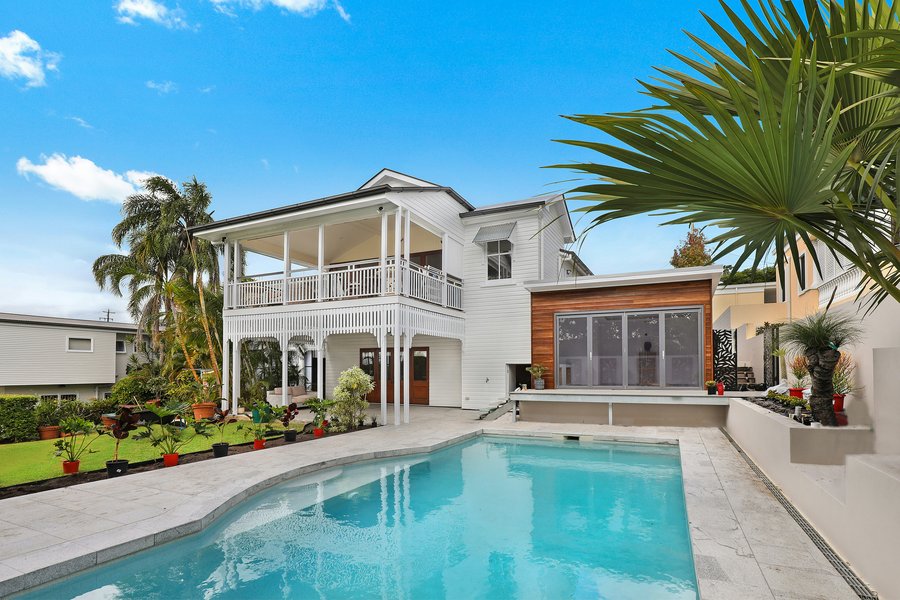
Don't create policy with aesthetic requirements. The value accessory units provide as stable, affordable housing far outweighs the cost of mismatching visual aesthetics. Requiring ADUs to have similar design or to use the same materials as houses that may have been built decades prior can severely limit or even eliminate development opportunities.
Don't require affordability or inclusionary mandates. Overwhelmingly, ADUs are constructed by individuals on their own property, which is already a costly, time consuming process. Adding affordability requirements reduces the ability of local homeowners to make back their investments, making them much less likely to build ADUs in a given locality.
Don't create policy that adds unnecessaryexpenses. Even in a perfect scenario, ADUs are expensive to build. Materials, labor costs, and legal expenses add up significantly, even before localities add fees usually intended to discourage development. By eliminating development fees entirely for ADUs or limiting them specifically to relevant staff efforts, localities can make ADUs much more appealing to interested homeowners.
Don't allow for local discretion. When local governments or homeowners associations have discretion, projects are often delayed, denied, or made more expensive, sometimes through unnecessary lawsuits. Limiting ADU approvals to objective, clear standards ensures projects move forward based solely on compliance, not personal preference.
Don't include owner occupancy requirements. Occupancy rules that add paperwork, reduce rentability, or discourage construction should be avoided. For example, an effective policy should avoid requirements that an ADU be occupied by the owner or a family member.
Don't include parking requirements. Parking minimums add costs and space requirements that can make ADUs infeasible to build, especially in areas where additional parking cannot easily be added.
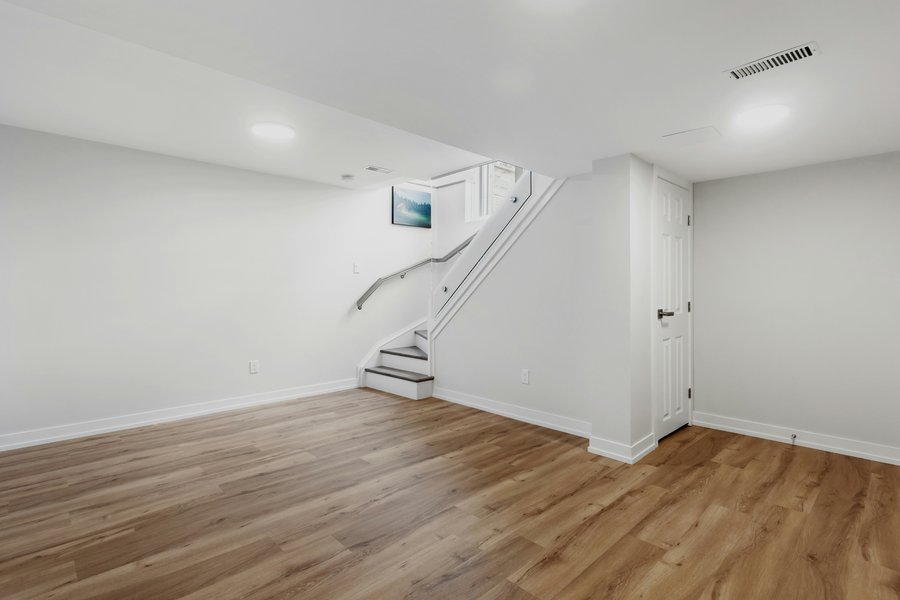
Allowing ADUs by ordinance is ineffective without enforceable requirements. If cities can delay or refuse to adopt compliant rules, ADU development stalls.
Neighborhood opposition can strongly influence elected officials and the policy process even when policies can benefit a neighborhood. When advocating for ADUs, framing is critical. Proposals should be positioned not simply as a gentle increase in density but also as a simple way to boost property values and increase neighborhood desirability.