

Housing Near Jobs refers to policies that promote housing construction in or near employment centers and supporting transit-oriented development, all so local residents can live near high-opportunity areas with access to sufficient transportation and employment opportunities.
Rezoning commercial districts to allow for housing unlocks significantly higher-density development, directly increasing housing supply in the places best positioned to absorb it.
Communities thrive when people can live, work, and play close to home, reducing long commutes while promoting healthier, more active community lifestyles.
Employers and communities benefit when employees can afford to live near the workplace, which in turn reduces turnover, improves recruitment, and stabilizes key workforces.

When crafting housing near jobs policy, advocates should closely align it with existing zoning and work to avoid mandates that increase construction costs.
Do establish clear zoning rules that allow multifamily housing to be approved administratively when projects meet objective standards. By-right development policies create certainty for builders, lower financing costs, and simplify the process of producing housing at scale, especially in high-opportunity and transit-accessible areas.
Do allow and incentivize development near high-opportunity transit corridors. By permitting greater density, height, and mixed-use housing within walking distance of transportation hubs, TOD policies maximize public transit investments, reduce transportation costs for households, and concentrate new housing where infrastructure, jobs, and amenities already exist. This approach increases supply in the most sustainable and economically productive locations, helping to lower overall housing costs.
Do create a streamlined approval processes work to modernize the development review process by reducing the unnecessary delays and uncertainty that drive up construction costs. By removing bottlenecks and increasing predictability, these policies lower financing and compliance expenses, making it easier to build more housing at lower overall cost.
Do focus on easing or eliminating parking requirements near transit corridors as a way to encourage density, transit use, and walkable neighborhoods. Minimum parking mandates significantly increase construction costs by adding tens of thousands of dollars per unit and consume valuable land that could otherwise be used for additional housing. Learn more here!
Do allow for greater building height makes projects more financially feasible, especially for affordable and mixed-income housing, by spreading fixed land and construction costs across more units in highly desirable areas.
Do create policy that allows for public–private partnerships can help close funding gaps by lowering costs, unlocking capital, and ensuring long-term affordability in high demand areas.
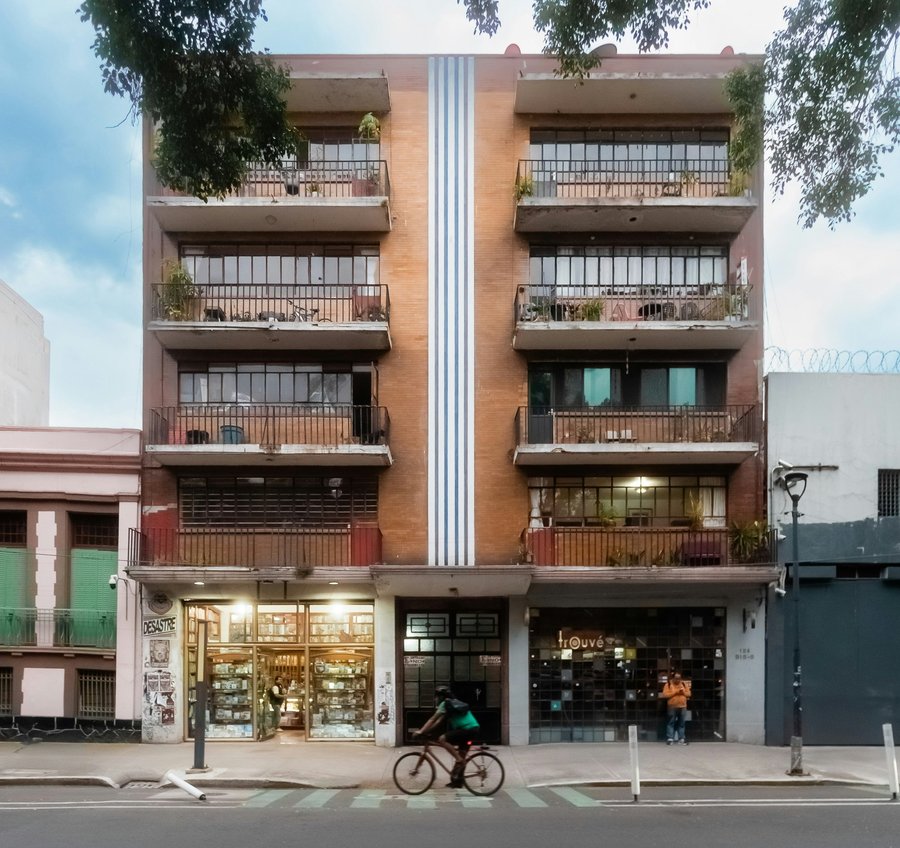
Don't add affordability requirements, such as inclusionary zoning, make many projects financially impossible to construct.
Don't require parking minimums. Parking structures add $35,000–$38,000 per unit, about 8% of total project cost, a burden passed directly to renters and homeowners.
Don't allow for building height limits in transit-oriented development directly caps the number of units that can be built on high-value land near transit, exactly where demand is strongest and infrastructure capacity is greatest.
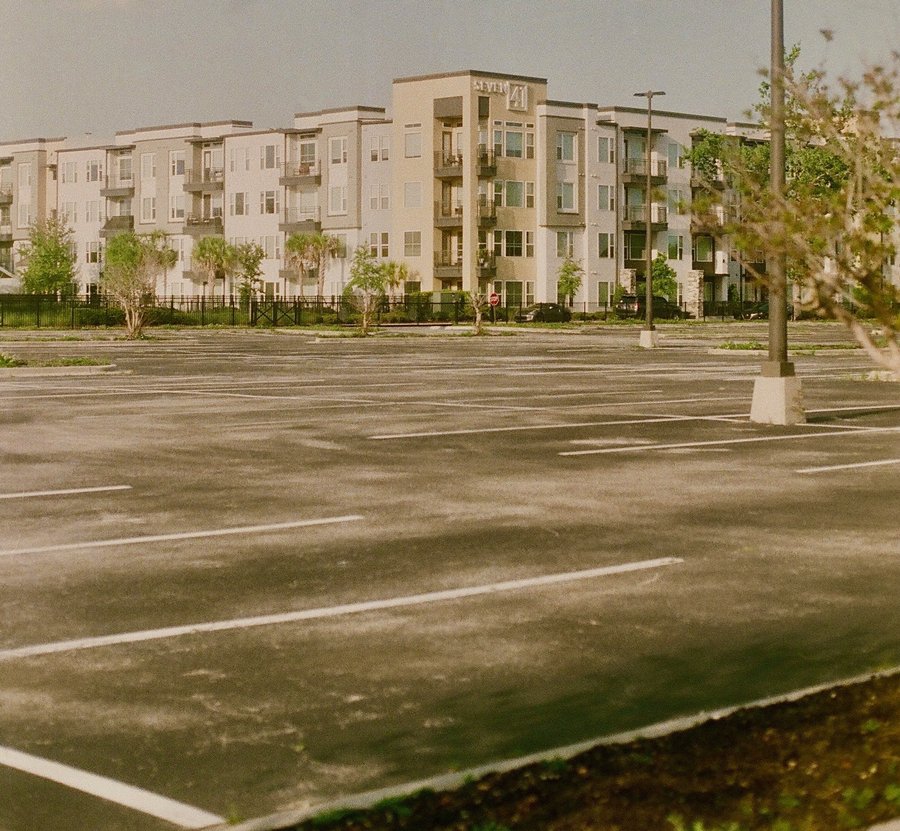
Neighborhood opposition can strongly influence elected officials and the policy process even when policies can benefit a neighborhood economically. When advocating for housing near jobs policies, framing is critical. Proposals should be positioned not simply as increasing density, but as reducing commute times, lowering traffic congestion, supporting local businesses, and giving workers the opportunity to live closer to where they work.

The Virginia YIMBY chapters advocated for a housing near jobs bill during the 2026 General Assembly. While efforts ultimately fell short, they plan to bring the bill back in 2027.