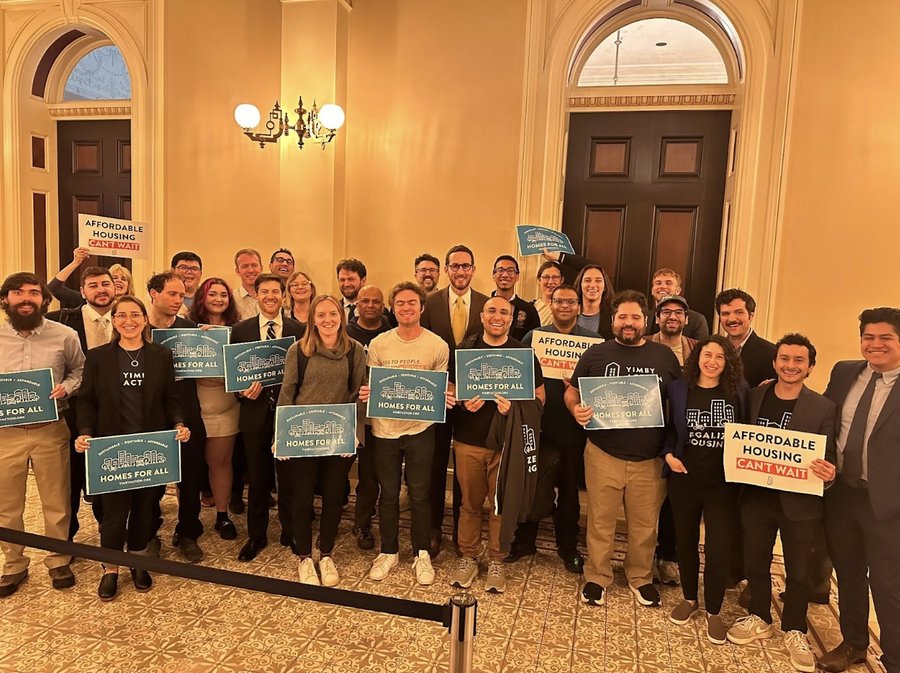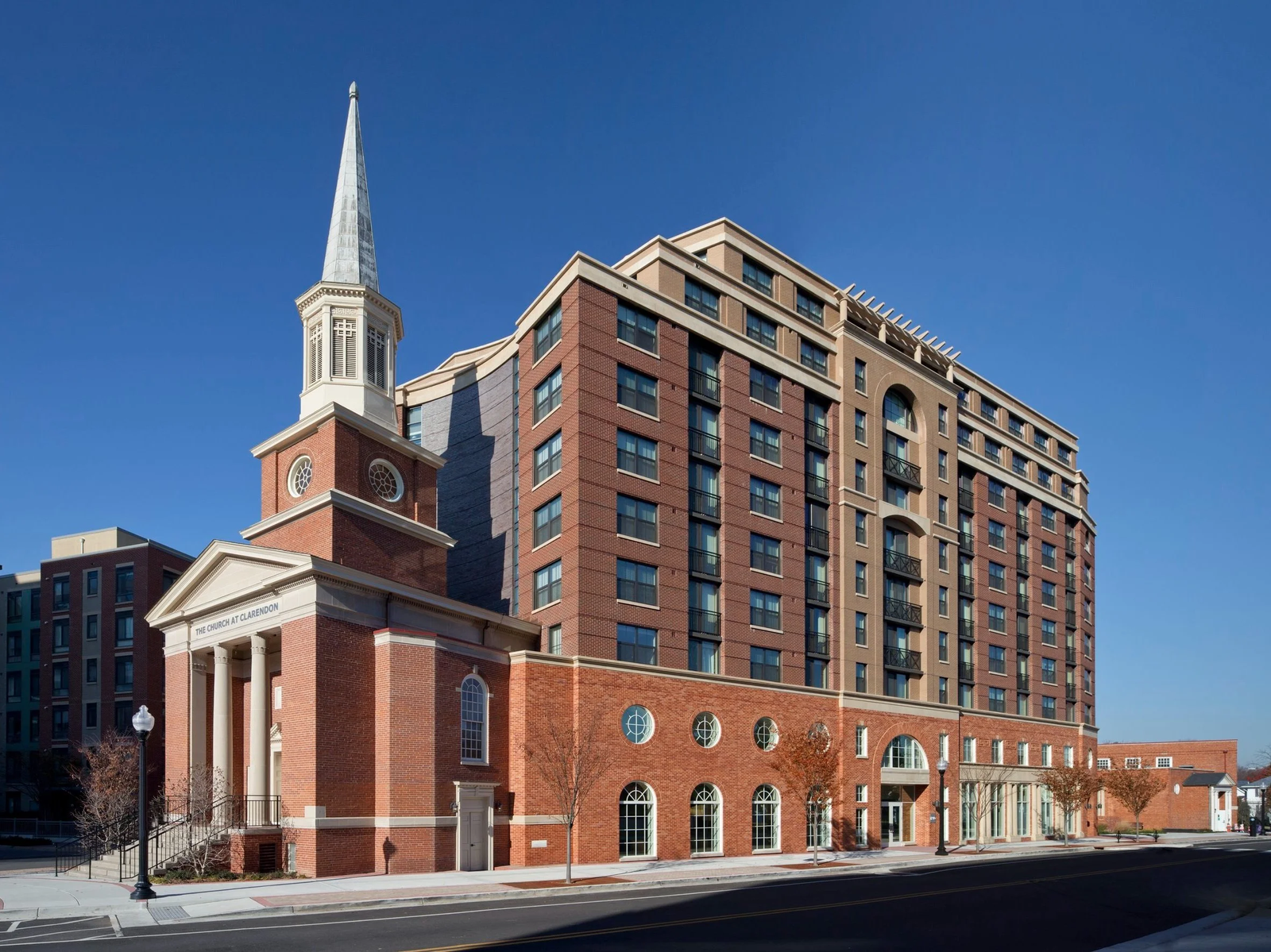

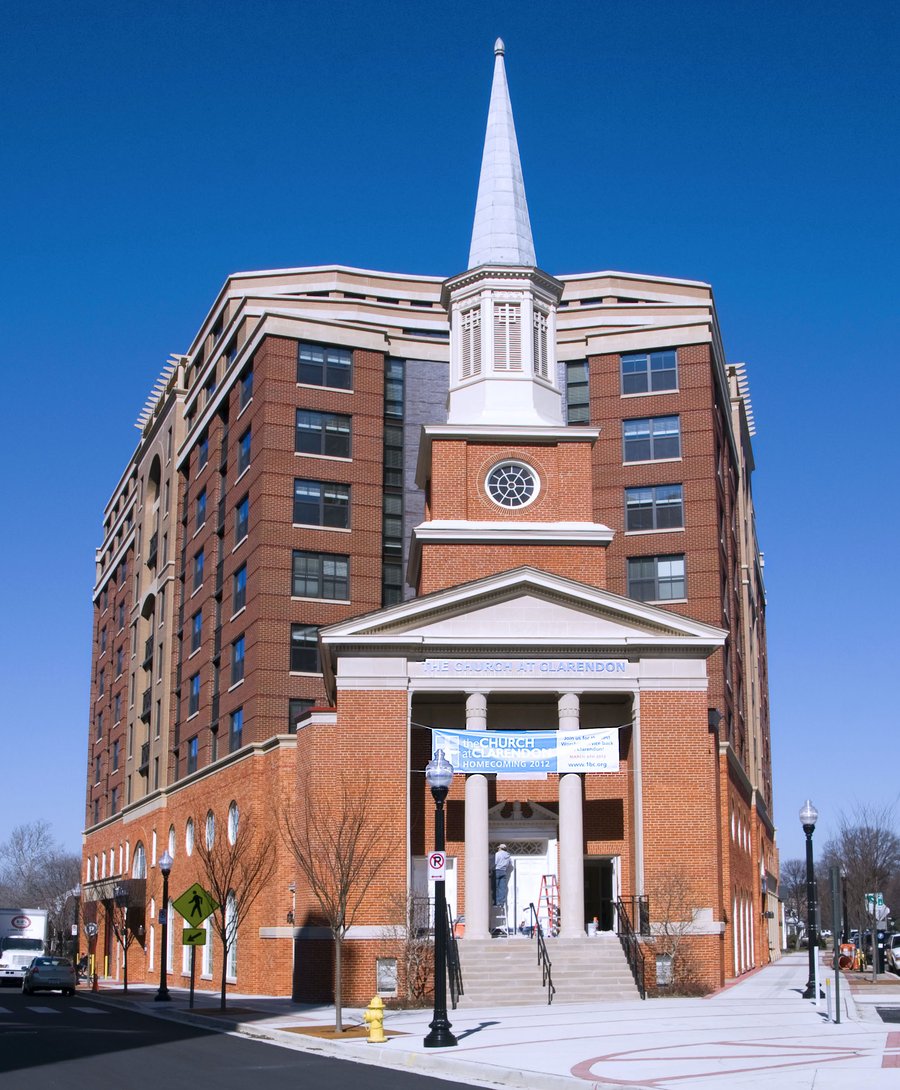
Yes in God's Backyard, better known as YIGBY, is a policy enabling faith-based organizations, nonprofits, and colleges to build affordable housing on their underutilized land, often by bypassing restrictive local zoning regulations. It aims to combat affordable housing shortages by leveraging tax-exempt property owned by churches and other tax-exempt organizations.
YIGBY is considered a high-impact housing solution because it unlocks large amounts of well-located land for housing. Churches are often one of the largest landowners in a given community. For example, Virginia faith institutions collectively own about 74,00 acres of undeveloped land across the state.
YIGBY expands access to high-opportunity neighborhoods without requiring large-scale redevelopment by utilizing existing infrastructure to produce smaller, more attainable housing options in areas with strong access to jobs, schools, and transit.
In some cases, the law can be expanded to include postsecondary education institutions or non-profit organizations in order to avoid potential legal challenges. A larger pool of applicable entities only serves to increase supply and ease pressure in the housing market.
The legislative process requires constant compromise and negotiation, so features must be carefully crafted to appeal to a broad base of support and overcome potential opposition. This is especially true for Yes in God’s Backyard policies, which often sit at the intersection of housing, faith communities, nonprofit work, and local control debates, requiring thoughtful provisions that respect religious autonomy while addressing neighborhood concerns and building durable political coalitions.
Do allow projects to bypass restrictive local zoning ordinances and regulations as long as they meet objective standards and comply with health and safety rules.
Do aim for a local approval process that is expedited to cut down on delays that can increase project costs.
Do further strengthen the legislation and maximize the amount of land available for housing, we recommend expanding it beyond faith-based organizations.
Don't have strict affordability measures. Affordability requirements often make many projects financially impossible to construct, especially for faith institutions with limited resources.
Don't include aesthetic requirements. The value of YIGBY development lies in aligning mission-driven values with housing outcomes, which outweighs concerns about visual uniformity. Requiring YIGBY developments to match existing neighborhood design or materials may unnecessarily restrict or prevent housing production.
Don't have setbacks or floor area ratio requirements that exceed what is necessary for health and safety may significantly constrain buildable area and prevent housing from being developed.
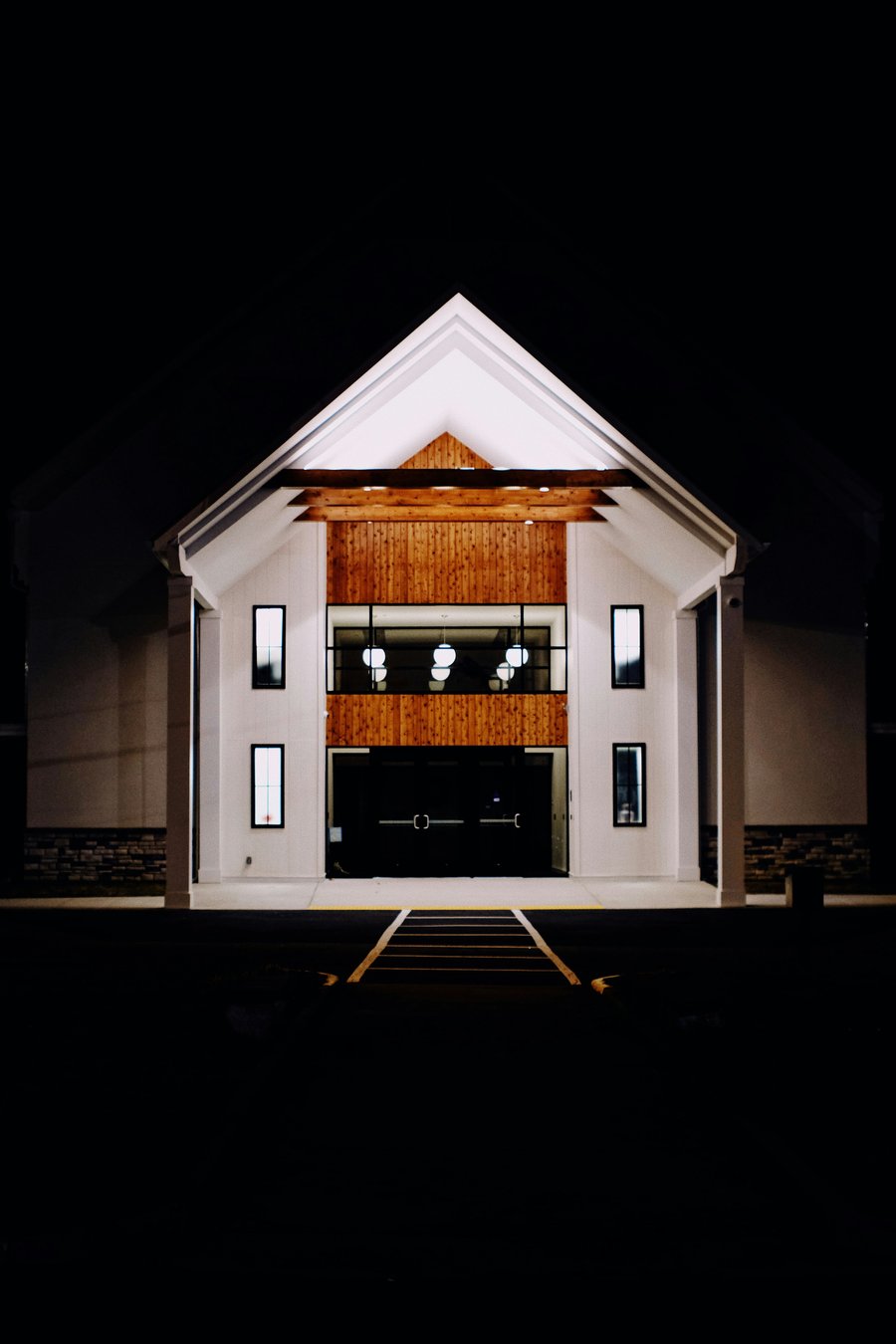
Most faith-based organizations are ready and willing to help address the housing shortage. Housing services are already central to the missions of countless houses of worship, and many others are looking to do more. To make YIGBY policy enforceable,
Politically, YIGBY policies often face neighborhood opposition rooted in concerns about density, traffic, and neighborhood character, as well as local officials wary of preemption of zoning authority. Successful policy design therefore requires careful coalition-building and framing to broaden local support.
Virginia
Florida